-
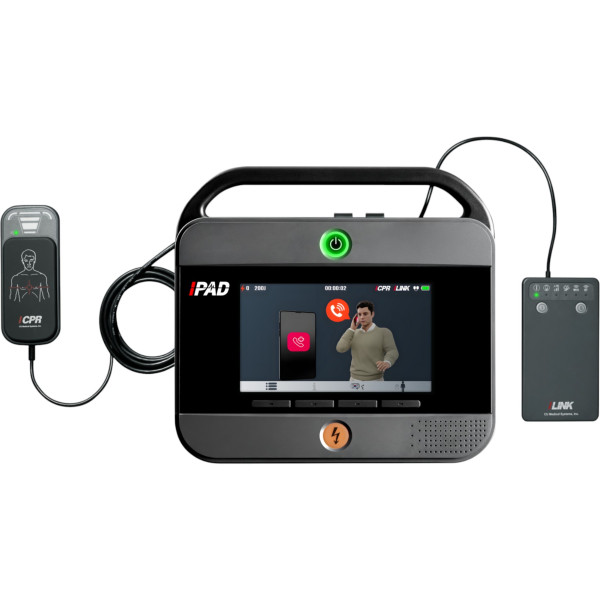 CU Medical SystemsAutomatic Defibrillator CU-SPxAutomatic Defibrillator CU-SPxRequest priceView details
-
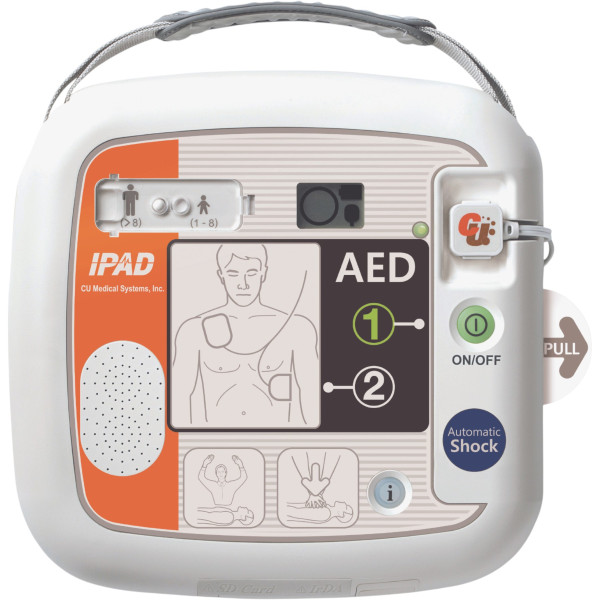 CU Medical SystemsAutomatic Defibrillator i-PAD CU-SP1 AUTOAutomatic Defibrillator i-PAD CU-SP1 AUTORequest priceView details
-
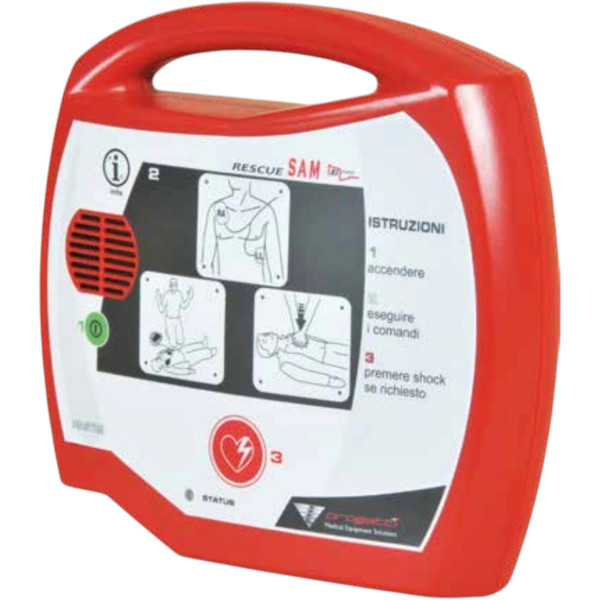
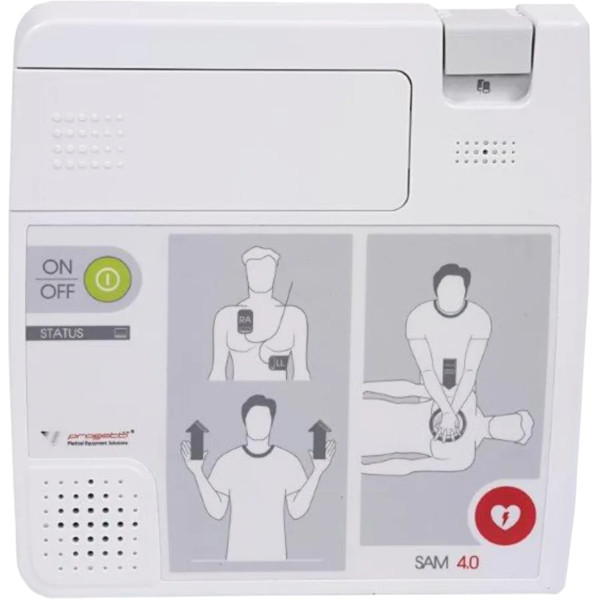 ProgettiAutomatic external defibrillator RESCUE SAM 4.0Automatic external defibrillator RESCUE SAM 4.0Request priceView details
-
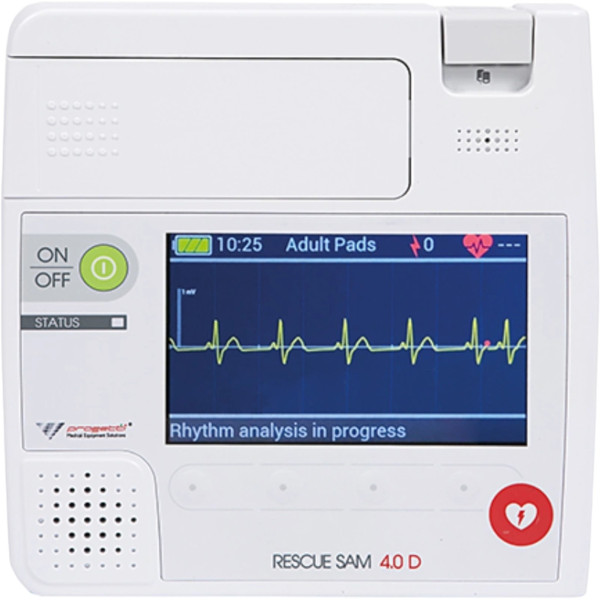 ProgettiDefibrillator for emergency assistance Rescue SAM 4.0DDefibrillator for emergency assistance Rescue SAM 4.0DRequest priceView details
-
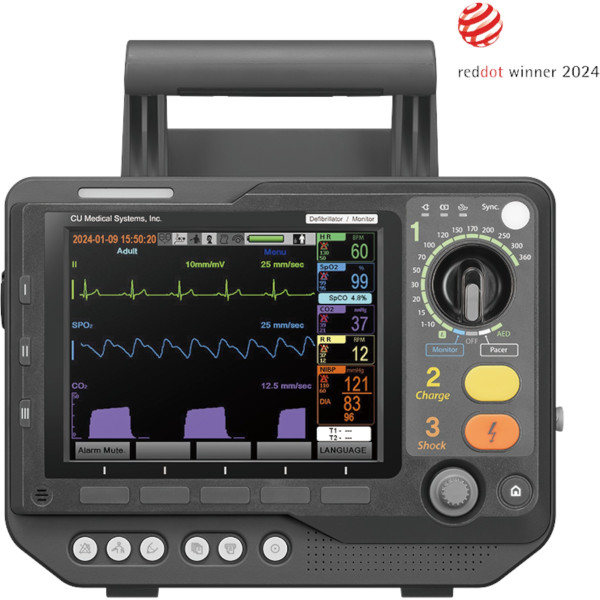 CU Medical SystemsDefibrillator Monitor CU-RS100Defibrillator Monitor CU-RS100Request priceView details
-
-

-
-
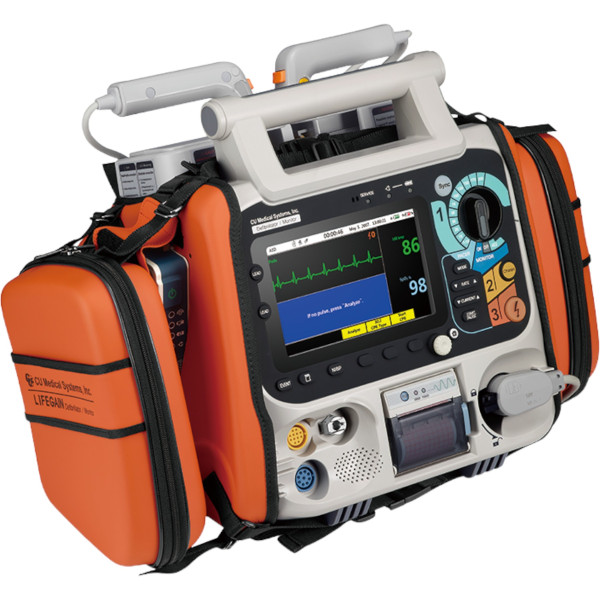 CU Medical SystemsMultifunctional defibrillator Lifegain CU-HD1Multifunctional defibrillator Lifegain CU-HD1Request priceView details
-
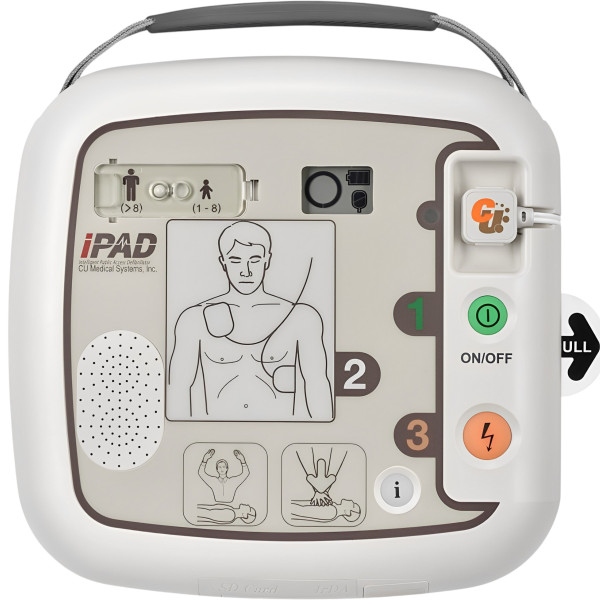 CU Medical SystemsSemi-automatic defibrillator i-PAD CU-SP1Semi-automatic defibrillator i-PAD CU-SP1Request priceView details
Defibrillators
A defibrillator delivers a short electric shock to the heart when the ventricles fibrillate or run in pulseless tachycardia. After the shock, the heart gets a chance to restore its own rhythm. The Finer catalog has automated external defibrillators for staff without cardiology training and professional units for intensive care doctors, with ECG monitoring and cardioversion. The manufacturers listed in the product cards are CU Medical Systems of South Korea and Progetti of Italy.
Why does a medical facility need a defibrillator?
In cardiac arrest every minute counts, so a unit has to be close at hand: on each hospital ward, in the emergency department, in the ambulance, at a private clinic or a dental practice. Nobody can wait for a team running over from another building. That is why facilities usually keep two classes of device. An AED hangs on floors and in lobbies where a nurse or a receptionist will be first to reach the patient. It analyzes the rhythm through stick-on pads and talks the rescuer through each step.
A defibrillator-monitor belongs where a doctor works: intensive care, cardiology, the emergency department or an ambulance crew. The doctor sees the ECG on screen, picks the energy and can switch to manual mode. A defibrillator with a synchronization function times the shock to a specific phase of the cardiac cycle, the R wave. This is how cardioversion is done, for example in atrial fibrillation or flutter. Such a unit is also called a cardioverter-defibrillator, though it has nothing to do with the implanted device of the same name.
Which defibrillators are in the Finer catalog?
CU Medical Systems supplies three AEDs. The i-PAD CU-SP1 AUTO is fully automatic and comes with a case and pads. The semi-automatic i-PAD CU-SP1 recognizes shockable rhythms, while the CU-SPx can analyze the ECG. The Rescue SAM line from Progetti includes the RESCUE SAM 4.0 automated external defibrillator rated at 200 J with up to 250 shocks, a semi-automatic Rescue SAM with voice prompts, and the Rescue SAM 4.0D, which shows emergency instructions on a display.
Two professional units are meant for doctors. The Lifegain CU-HD1 multifunction defibrillator is built for intensive care and also has an AED mode. The CU-RS100 defibrillator-monitor combines patient monitoring with cardioversion. According to the cards, some models give voice and visual prompts in Ukrainian, one model detects a patient's pacemaker, and an AED usually ships with a battery and disposable pads in a carry bag. Automatic models have their own subsection, Automated external defibrillators.
How do you choose a defibrillator for a facility?
Start with who will press the button. Nurses and non-medical staff are better served by an automatic defibrillator with voice prompts in Ukrainian. Intensive care needs manual mode and synchronization, plus monitoring, an ECG screen (a 7″ color display appears in the cards) and event recording for later review. Then look at energy. Modern units are mostly biphasic and work at lower energy than old monophasic ones, so check the maximum and whether you can set it by hand. If you treat children, ask about pediatric pads or a child mode with reduced energy.
An AED can hang on a wall unused for years. Battery life, self-testing and pad expiry dates therefore matter; two cards in the catalog list standby power of up to 5 years. A portable defibrillator for call-outs and transfers should be light and run on a battery. Carry it in a sturdy bag. One more tip concerns the fleet. When every unit in the building comes from one line, staff learn faster and pads are easier to buy.
Defibrillator price: what does it depend on?
An AED costs noticeably less than a defibrillator-monitor. The price depends on the mode (semi-automatic or fully automatic) and on whether you need manual control with synchronization. Monitoring modules raise it. So do the display and pediatric accessories, as well as a wall cabinet or bag. For most models we quote on request, in a commercial proposal for your configuration. To prepare one, tell us who will use the unit, how many points in the building need cover, and whether you already have defibrillators whose pads it makes sense to match.
Where to buy a defibrillator?
A hospital, outpatient clinic or private practice can buy a defibrillator from Finer Ukraine LLC. Since 2015 the company has supplied medical facilities with equipment from leading manufacturers. Finer's doctors and engineers will work out how many AEDs a building needs and where a defibrillator-monitor is needed, and prepare the commercial proposal and tender documents. They will also deliver and commission the units and train your staff. For an AED, training matters as much as the purchase: the person next to the patient has to know where the unit is kept and how to apply the pads. Intensive care units usually also have ventilators and patient monitors. Other equipment is in the Medical equipment section, and a whole department can be fitted out through our turnkey solutions. Phone 0 800 334 585 or leave a request on the contacts page.
FAQ
1. How is an AED different from a defibrillator-monitor?
An AED analyzes the rhythm itself and guides the rescuer by voice, so a layperson can use it. A defibrillator-monitor shows the ECG and lets a doctor control the shock manually; it is used in intensive care and ambulances. The Lifegain CU-HD1 covers both: it is a professional unit with an AED mode.
2. How do you use an automated defibrillator?
Switch the unit on and apply the pads to the bare chest as shown in the picture. The AED then analyzes the rhythm and tells you what to do. Nobody touches the patient during analysis or the shock, and CPR continues between shocks until the team arrives.
3. Does a defibrillator restart the heart?
Not the way films show it. The shock stops chaotic electrical activity in ventricular fibrillation or pulseless tachycardia, after which the heart can restore its own rhythm. When there is no electrical activity at all (asystole), a shock will not help, and an AED will not advise one.
4. How strong is a defibrillator shock?
Shock energy is measured in joules. According to its card, the RESCUE SAM 4.0 works at 200 J. Modern units are mostly biphasic: the current reverses direction, so less energy is needed than with older monophasic devices. For children, pediatric pads or a child mode reduce the energy.
5. What is a cardioverter-defibrillator?
It is a defibrillator with a synchronization function. It delivers the shock on the R wave of the cardiac cycle, which is needed for cardioversion in some arrhythmias, such as atrial fibrillation or flutter. The CU-RS100 has a cardioversion mode. An implantable cardioverter-defibrillator placed inside the patient is a different device entirely.
Categories by purpose

- Solutions
- Finer Ukraine