-
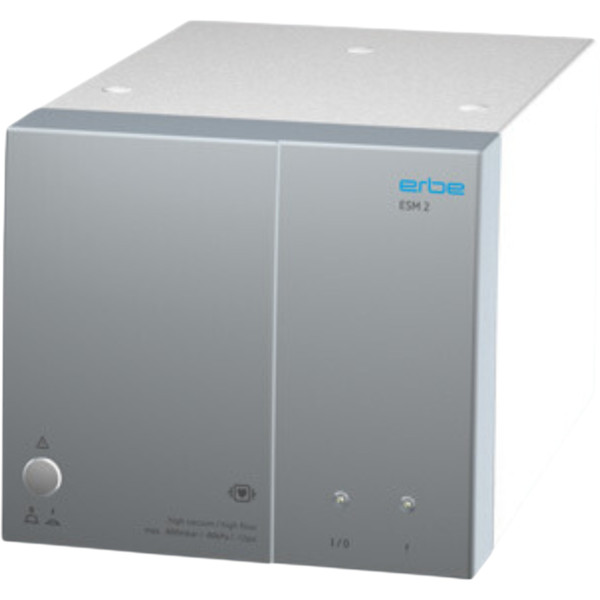 ErbeAspiration module for water jet surgery ERBEJET 2Aspirator for water jet surgery system ERBE ESM 2Request priceNewView details
-
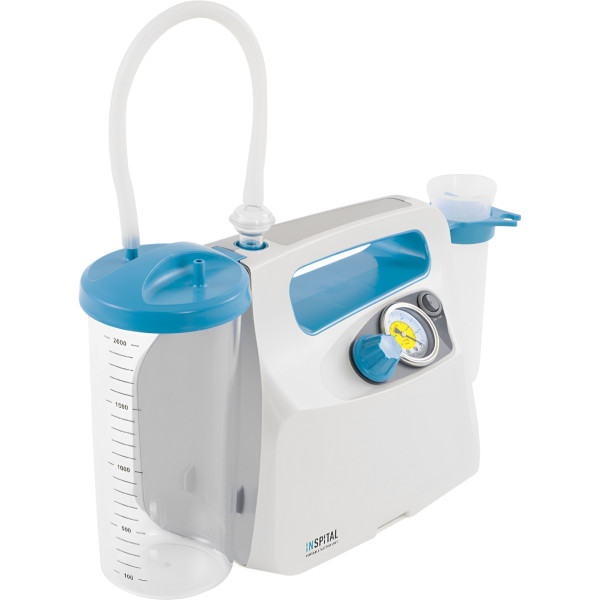 InspitalBattery-operated surgical aspirator SU60.06Battery-operated surgical aspirator SU60.06Request priceView details
-
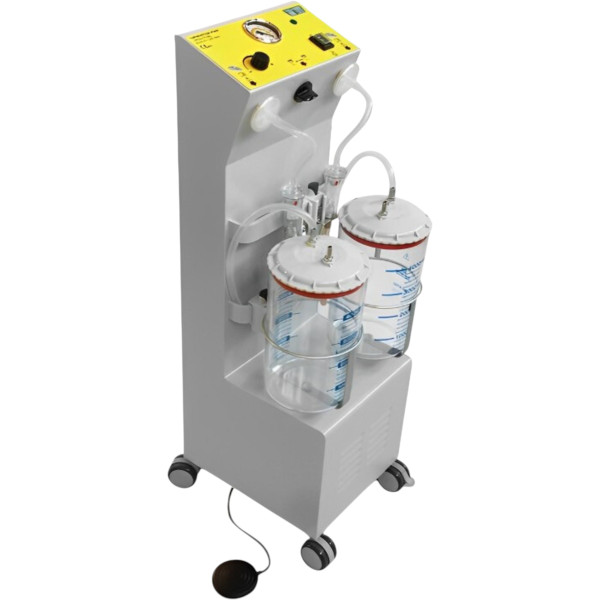 Siem NovaElectric surgical aspirator 6110-A1 MAXElectric surgical aspirator 6110-A1 MAXRequest priceView details
-
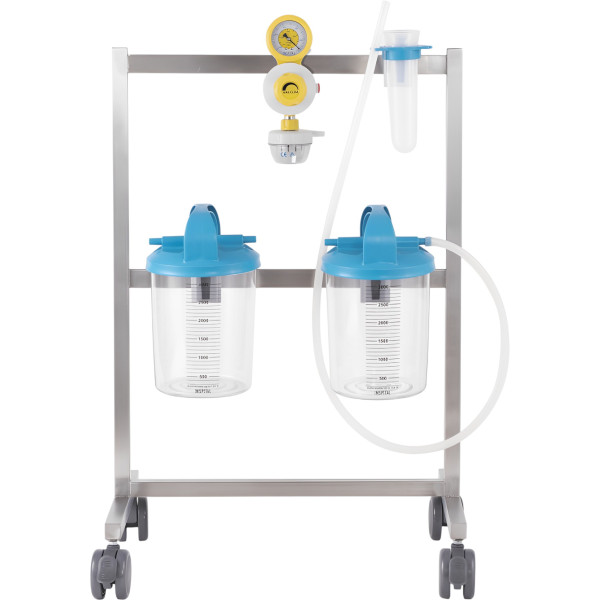 InspitalElectric surgical aspirator AT20.75TElectric surgical aspirator AT20.75TRequest priceView details
-
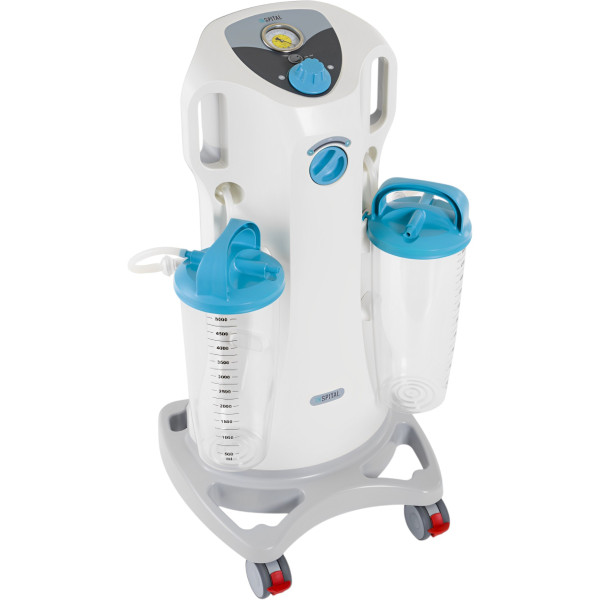 InspitalElectric surgical aspirator SU60.10Electric surgical aspirator SU60.10Request priceView details
-
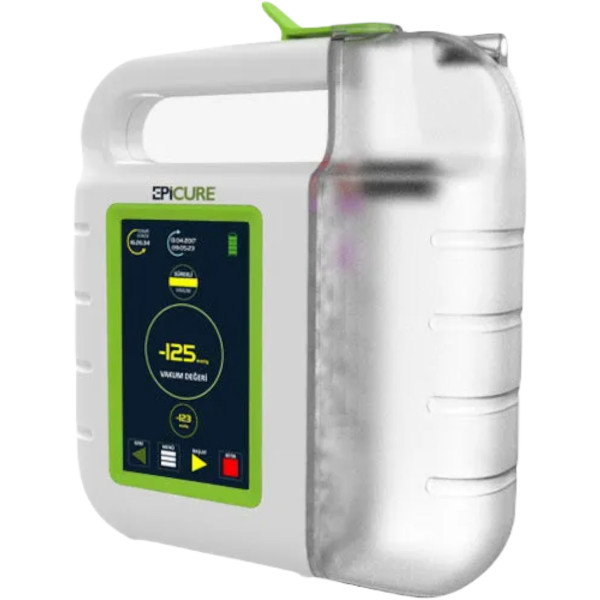 EpitheraWound therapy device NPWT- with touch screen, 955 gVacuum wound therapy device EpicureRequest priceNewView details
Medical pumps
A medical suction unit, also called an aspirator, uses vacuum to clear blood and irrigation fluid from the surgical field and mucus or sputum from the airway. This Finer section has electric surgical aspirators, a battery-powered portable model and a unit that runs off a central vacuum system. They are made by Inspital Medical Technology in Germany and Siem Nova in Italy. Below we look at how the models differ, how to match a unit to a department and what to budget for consumables.
Which aspirators are in the Finer catalog?
The 6110-A1 MAX electric surgical aspirator is listed as a high-efficiency unit for surgery. The SU60.10 electric surgical aspirator holds an adjustable, stable vacuum that can be set for a specific procedure. The SU60.06 battery-powered aspirator is built for emergency medical services, a portable unit that is not tied to a wall socket. The AT20.75T runs off a central vacuum system and has a flow regulator, so a ward with a vacuum pipeline needs no separate pump.
How to choose a medical aspirator?
Start with where it will work. The OR needs suction capacity and large canisters. On the ward and in the ICU the unit clears airways every day, so quiet operation counts, while a call-out needs a portable aspirator with a battery. Next come vacuum and flow: maximum vacuum and flow in liters per minute tell you how fast the unit clears the field during bleeding. Tracheal suction and drains need fine control of low vacuum instead, so it helps when one model can do both.
Compare canisters by volume and number, and find out whether they are reusable or take disposable liners and how quickly staff can swap them mid-operation. Fluid collects in the canister, and an antibacterial filter with an overflow safety valve keeps it out of the pump, so do not buy a unit without them. If the hospital has a vacuum pipeline, a ward can manage with a regulator unit that plugs into it, like the AT20.75T.
What does aspirator maintenance involve?
Canisters and tubing are emptied and cleaned after every patient, and the filter is changed as the maker specifies. Before you buy, ask which parts are disposable and which can be sterilized, since that decides how many consumables the department has to budget for each year. Spare canisters and tubing, as well as filters, are best ordered together with the unit, so that work never stops over a small part.
Where to buy a medical aspirator?
Finer has supplied aspirators to operating rooms, intensive care units and ambulance crews since 2015, and the Finer Ukraine LLC team includes doctors and engineers. We will pick a model for your department and quote the exact configuration you need. We also prepare tender documents, then deliver the unit, start it up and train the team. For the OR, see also electrosurgery and anesthesia machines, and for the ICU, ventilators. Other equipment is collected under Medical equipment. For advice call 0 800 334 585. Other ways to reach us are on the contacts page, and larger projects are described under turnkey solutions.
FAQ
1. What is a surgical aspirator?
It is a vacuum pump with a collection canister and a tubing set, used during surgery to remove blood and irrigation fluid from the field. It is also called a suction unit. Fluid goes into the canister, while an antibacterial filter and an overflow valve keep it out of the pump.
2. What is a medical aspirator used for?
To suction blood and irrigation fluid, mucus or sputum from the surgical field or the airway. That is why aspirators stand in operating rooms and intensive care, in emergency departments and delivery rooms, and ride with ambulance crews. On wards they are used daily for tracheal suction and drains.
3. Is there a portable battery-powered aspirator?
Yes, the SU60.06 runs on a battery and is made for emergency services, so it goes out on calls or works where there is no socket nearby. For an OR with large fluid volumes a mains-powered model such as 6110-A1 MAX or SU60.10 is the better fit.
4. Can an aspirator be connected to a central vacuum system?
Yes, that is what the AT20.75T with its flow regulator is for. It runs off the hospital vacuum pipeline, so the ward needs no separate electric pump. Before buying, check the connector type and the vacuum level in your pipeline.
5. How much does a surgical aspirator cost?
The price depends on suction capacity and on the number and size of canisters. Mains or battery power matters too, as does the set of filters and tubing. A regulator unit for central vacuum is simpler than a standalone pump, so it is priced separately. We give the exact figure in a quote for your configuration.
Categories by purpose


Recently viewed


- Solutions
- Finer Ukraine