Pulse oximeters
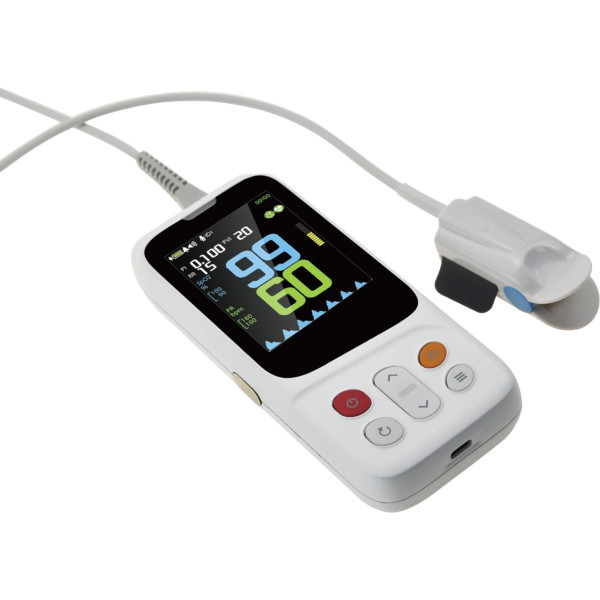
A pulse oximeter shows oxygen saturation (SpO2) and pulse rate within seconds. The sensor shines red and infrared light through a finger, an earlobe or a baby's foot and works out the share of hemoglobin carrying oxygen from the difference in absorption. No needle or blood test is needed, so the device is used in the emergency department and on medical wards, in pediatrics, by ambulance crews, by family doctors. This section collects medical pulse oximeters for healthcare facilities: pocket models and devices that display the pulse waveform.
Which pulse oximeters does the Finer catalog offer?
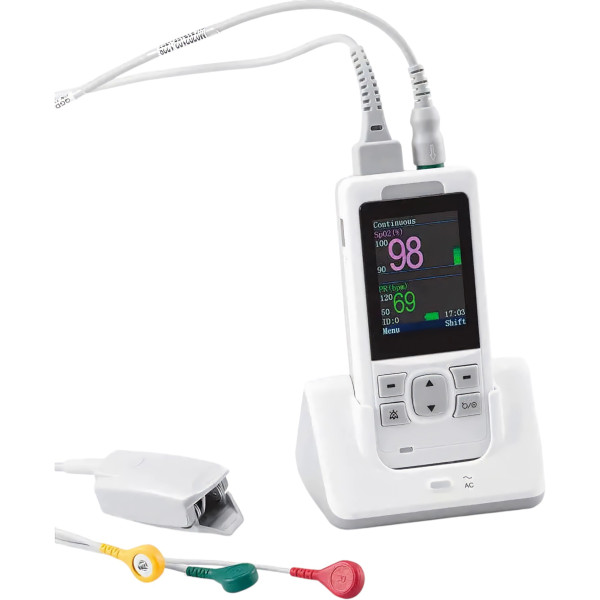
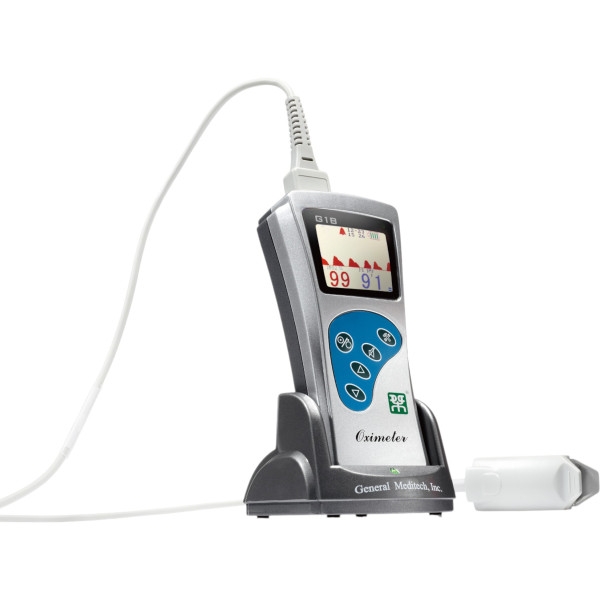
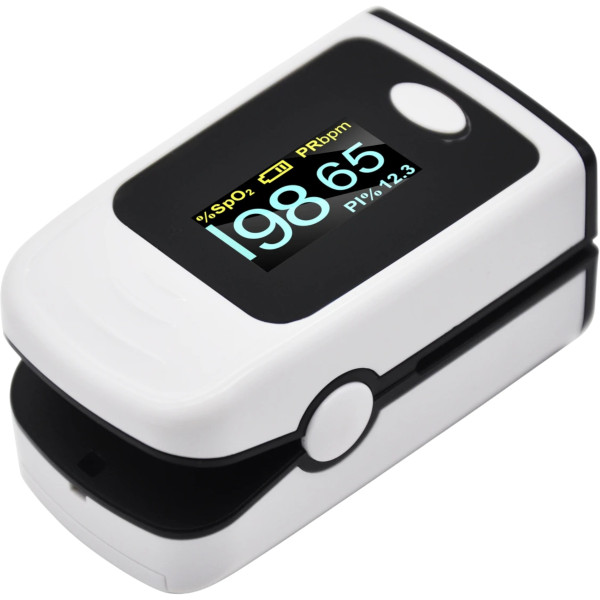
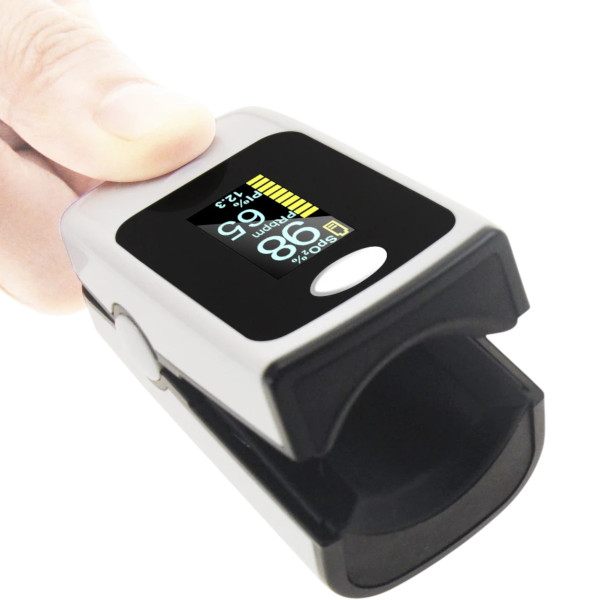
Most models here are made by Witleaf. The WIT-S200 shows SpO2 and pulse on an OLED display, the WIT-S400 adds waveforms, and the WIT-S300 measures the perfusion index and runs for up to 12 hours. The PG M800 medical pulse oximeter is portable, with a 2.4″ OLED display. The G1B pulse oximeter works for adults and children as well as newborns. Product cards mention other details too: a Bluetooth model with wireless data transfer that weighs 0.5 kg and suits patient transport, an ultralight 0.04 kg device, and a kit that comes with a docking station, a USB cable plus a software disc.
Pulse oximeter: how to choose one for a department?
Start with the format. A fingertip device is handy for a quick check. For long observation and overnight oximetry, or during transport, teams take a portable pulse oximeter with a remote sensor, alarms plus memory. If SpO2 has to be watched around the clock together with ECG and blood pressure, you need a patient monitor instead. Next comes patient age. A pulse oximeter for newborns uses neonatal sensors wrapped around the foot or palm, because an adult finger sensor does not fit a baby. Maternity units also use pulse oximetry to screen newborns for critical congenital heart defects, measuring on the right hand and on a foot. Check which sensors come in the kit and which you will have to buy separately.
A ward needs audible alarms with SpO2 and pulse thresholds, and simple fingertip models often lack them. A device is usually assigned to a nurses' station, with others kept in procedure rooms where sedation is used and in crew kits. Using the same model at every station makes sensor replacement and training easier. Look at power as well: rechargeable battery or disposable cells, run time between charges, how well the housing and sensor tolerate disinfection. Memory, USB or Bluetooth matter if readings go into an electronic record or overnight trends are reviewed.
What does the price of a professional pulse oximeter depend on?
A professional device costs more than a pharmacy one because it comes with remote sensors and alarms, memory, software. Neonatal and pediatric sensors add to the price, as do data transfer and a docking station. That is why we quote most models in a commercial proposal built for a specific department, not from a price list for the device alone.
Where to buy pulse oximeters for a facility?
Finer Ukraine LLC has supplied medical equipment to hospitals and outpatient clinics, as well as private practices, since 2015. If you need oximeters for several departments, tell us how many units, for which patients, and whether data transfer is needed. Then the proposal will include the right sensors, not just the devices. Finer's doctors and engineers will help you settle on a model and prepare tender documents. We then arrange delivery and train your staff. For neonatal care, see also our neonatal care systems; other diagnostic equipment is in the Diagnostic equipment section. If you are equipping a whole facility, see our turnkey solutions. Call 0 800 334 585 or write to us via the contacts page.
FAQ
1. How is a medical pulse oximeter different from a household one?
A professional unit has alarms and stores trends. It works with adult and pediatric sensors, plus neonatal ones. Some models show the pulse waveform and the perfusion index. A pocket device without these features is only good for a one-off reading during an examination.
2. What does PI mean on a pulse oximeter?
PI, the perfusion index, shows how strong the pulse signal is where the sensor sits. A low PI comes with cold hands or poor circulation, and then the SpO2 figure deserves less trust. The WIT-S300, for example, measures the perfusion index.
3. What saturation reading is normal?
In a healthy adult at rest, SpO2 usually stays between 95 and 100 %. Alarm thresholds and decisions on oxygen therapy follow the department's clinical protocols, not the device. In newborns, saturation is lower in the first minutes of life and rises gradually.
4. What affects the accuracy of the reading?
Patient movement, cold fingers with poor perfusion, nail polish or acrylic nails, bright light falling on the sensor. Carbon monoxide poisoning is a separate trap: a standard device cannot tell carboxyhemoglobin apart and may show normal saturation.
5. How do you use an oximeter correctly?
Place the sensor on a warm finger without nail polish, with the patient sitting or lying still. Read the result once the number has settled and the pulse waveform looks even. Clean a reusable sensor between patients with an agent the manufacturer approves; for newborns, single-use sensors are common.

Categories by purpose



- Solutions
- Finer Ukraine