-
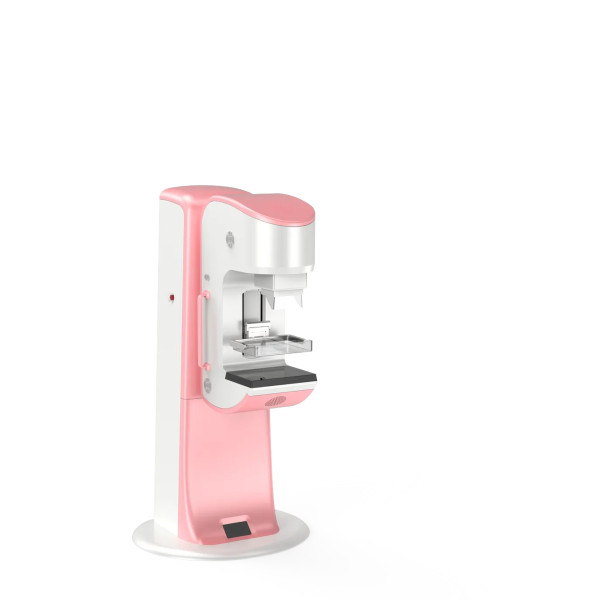
-
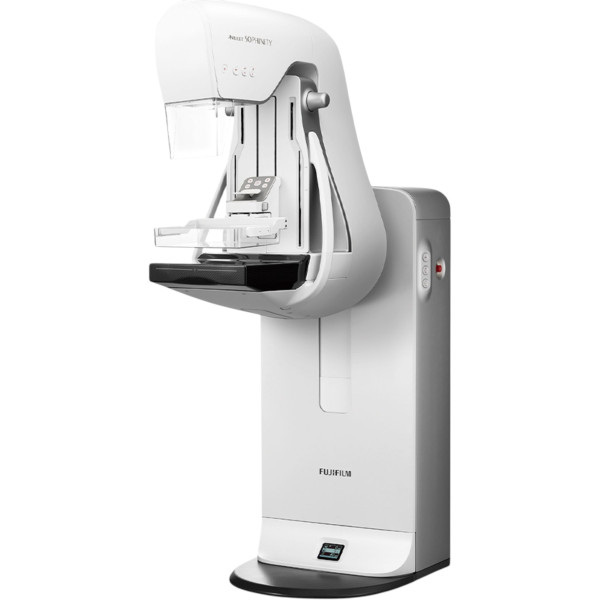 FUJIFILMMammography system AMULET SophinityMammography system AMULET SophinityRequest priceView details
-
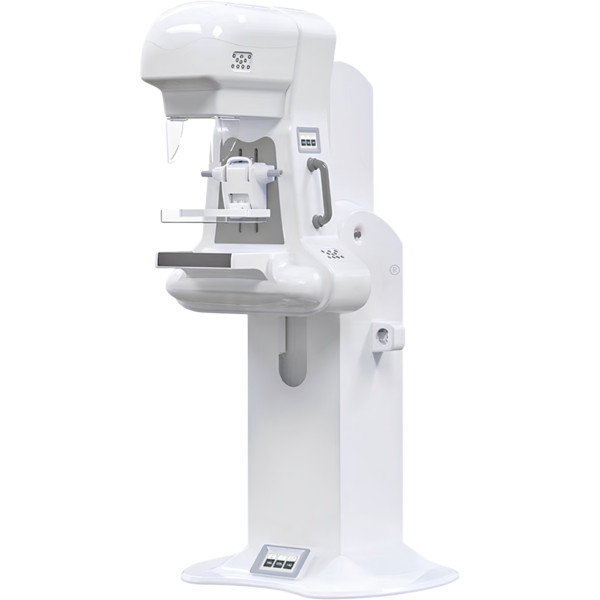
-
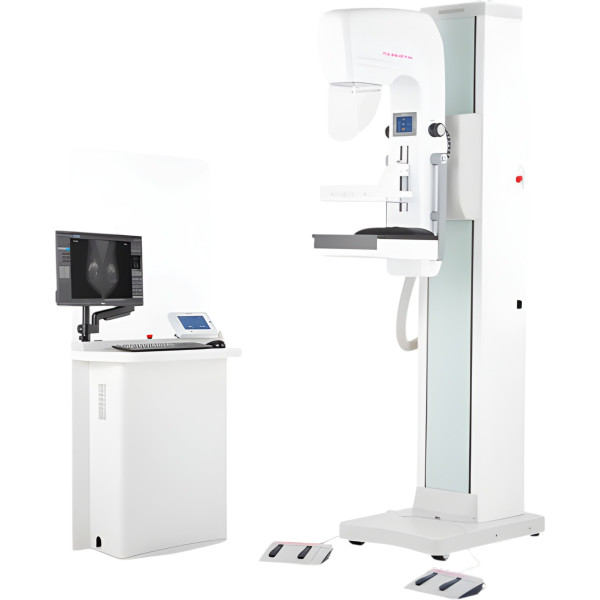 BEMEMSMammography system PINKVIEW-DR PRIMEMammography system PINKVIEW-DR PRIMERequest priceView details
-
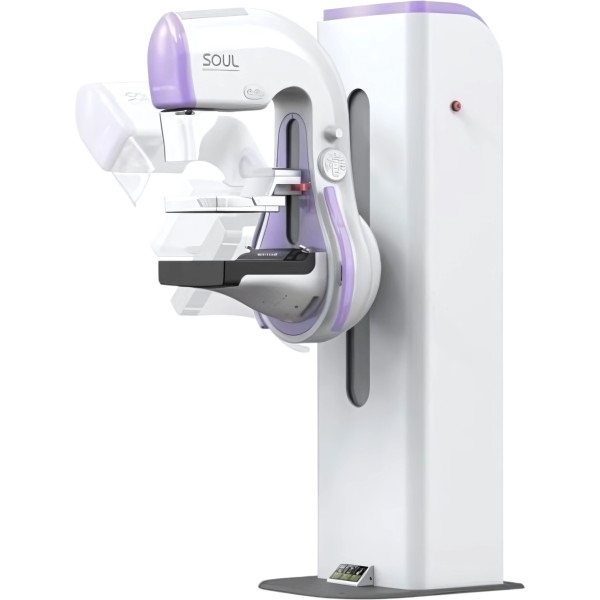 Medi-FutureMammography system SOUL DirectMammography system SOUL DirectRequest priceView details
-
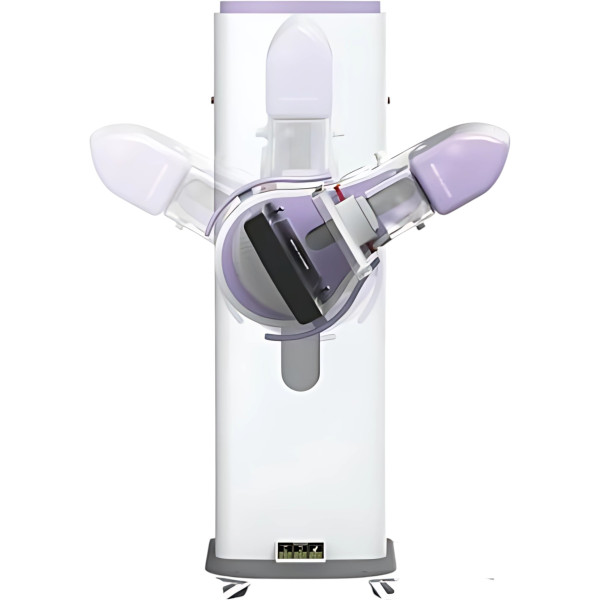 Medi-FutureMammography system SOUL IndirectMammography system SOUL IndirectRequest priceView details
Diagnostic equipment
Diagnostic equipment in the Finer catalog is grouped by method: ultrasound, electrocardiography with Holter monitoring, patient monitoring, pulse oximetry, EEG, fetal monitoring, ENT examination plus diagnostic imaging. The section is meant for healthcare facilities such as outpatient clinics, private practices, hospitals or diagnostic centres. Below is a short note on each subsection and on how to build a diagnostic equipment list for your facility.
What is medical diagnostic equipment?
The term covers devices that measure, record or display the state of the body so that a doctor can make a diagnosis or follow a patient during treatment. Some produce images, as an ultrasound scanner, X-ray unit, mammograph, CT or MRI scanner do. Others record signals, like an electrocardiograph, a Holter, an EEG system or a fetal monitor. Bedside monitors and pulse oximeters track vital signs continuously in intensive care and the operating room. Neonatal care equipment also sits in this section, since it is usually bought together with monitors for maternity and neonatal units.
Which diagnostic equipment is in the Finer catalog?
- Ultrasound: stationary and portable systems by GE, Wisonic, Siui, Hisense, among them Voluson Performance 18, Versana Essential, the Apogee series, HD60 plus the ultraportable PILOTER.
- Electrocardiographs: 3-, 6- and 12-channel Edan SE units, the Fukuda Denshi FX series including FX-8400, as well as Philips PageWriter models TC10 through TC70.
- Holters: BTL-08 Holter H100 or H300 plus the three-channel PG 8 Plus cardiac monitor for 24-hour ECG recording.
- Patient monitors: bedside units by Witleaf, General Meditech or Fukuda Denshi, some with capnography, a central monitoring station for the nurses' station, plus Hisense medical displays.
- Pulse oximeters: professional WIT-S200, WIT-S300, WIT-S400, PG M800 plus G1B.
- Electroencephalographs (EEG): Sienna by EMS Biomedical with 32, 40 or 64 channels.
- Fetal monitors: the G6B-Plus, BFM-900 or PG 800G for antenatal clinics and maternity wards.
- ENT workstations: Entermed FUTURENT III, ERGONOMIC III or MICRONOMIC III.
- Neonatal care system: Fanem 1186 or Vision Advanced 2286 incubators, IT 158 TS or Baby Shuttle transport units, Bilitron, Antares or Elios phototherapy lamps, the Ampla 2085 warmer, hospital bassinets.
- X-ray machines: stationary or mobile X-ray units, mammographs such as DM156, C-arms, a fluorograph, CT or MRI, film processors plus medical printers.
How do you build a diagnostic equipment list?
Work from the patient pathway, not from the catalog. An inpatient hospital needs bedside monitors with a central station so the nurse can see every bed from the desk. A maternity unit needs fetal monitors along with incubators and phototherapy lamps. A diagnostic centre adds X-ray, a mammograph, CT or MRI, and at that point the decision depends on the premises. An expert ultrasound system with several probes is needed where complex studies are done. For screening, a mid-range system is enough, or a portable scanner that works at the bedside, in the emergency department or on call-outs.
The ultrasound probe set, the number of ECG channels, capnography or invasive pressure in a monitor affect the price as much as the base unit does. Check whether the device sends results in DICOM or another format your HIS or PACS accepts, and how reports are printed. Electrodes, paper, gel, cuffs or SpO2 sensors will be bought all the time, and it is better to learn the cost of replacing an ultrasound probe before you buy. Some measuring devices may require periodic verification or calibration, so put this in the schedule together with planned maintenance.
Where to buy diagnostic equipment?
Finer Ukraine LLC has worked with outpatient clinics, hospitals as well as diagnostic centres since 2015, bringing them equipment by global manufacturers. We select medical diagnostic equipment together with the doctors and engineers on our team. We check the list against the patient pathway and draw up the quote along with the tender paperwork. Installation and start-up follow delivery, and the staff are trained on site. Equipment for intensive care or the operating room is in the Medical equipment section. If you are opening a diagnostic room or centre from scratch, see our turnkey solutions. To buy diagnostic equipment for your facility, dial 0 800 334 585 or go to the contacts page.
FAQ
1. Which diagnostic equipment should an outpatient clinic choose?
An outpatient clinic usually manages with an electrocardiograph and pulse oximeters, plus a general-purpose ultrasound scanner and a few Holters. If the facility has an antenatal clinic, a fetal monitor is added, and an ENT room gets an ENT workstation. The rest depends on the patient pathway and what you plan to do on site.
2. Which DK 021 code goes into a tender for diagnostic equipment?
Under DK 021:2015 the buyer sets the code separately for each procurement item. Medical equipment belongs to group 33100000-1, which has separate classes for different kinds of devices, so an ultrasound scanner and a pulse oximeter may carry different codes. The exact code is checked against the classifier for the specific model.
3. Is the diagnostic equipment in stock?
Some items are in stock and some are delivered to order. The current status is shown on the product card, and the delivery time for a given configuration is stated in the quote. For large systems such as CT or a mammograph, delivery is usually planned together with preparation of the room.
4. How do you choose an ultrasound machine for a facility?
Decide which studies will be done and where. Complex studies call for an expert system with several probes, screening for a mid-range unit, bedside work for a portable scanner like PILOTER. Count the probes and software packages separately, because they have a large effect on the price.
5. What does the price of diagnostic equipment depend on?
We quote most systems on request, because the price depends on the configuration: probes, software packages, modules, the number of workstations. A monitor with capnography costs differently from a basic one, and an ultrasound system with three probes differs from one with a single probe. We give the exact figure in the quote.
Categories by purpose
Recently viewed



- Solutions
- Finer Ukraine