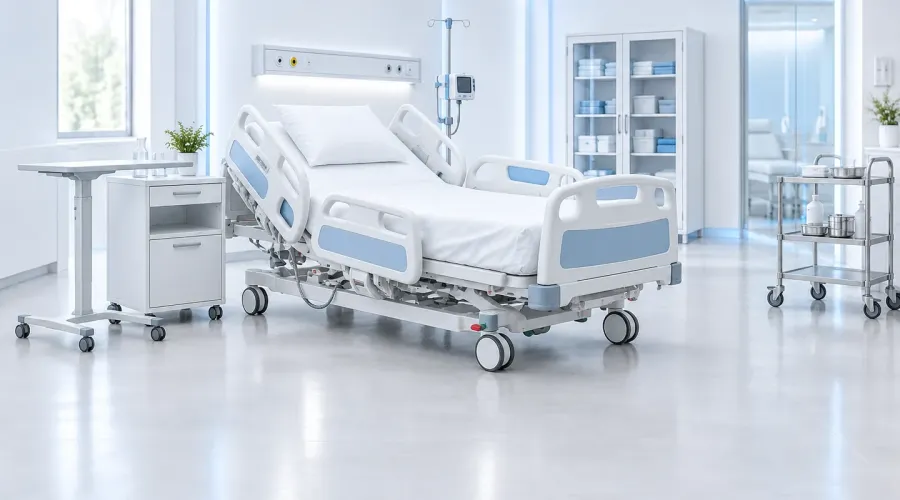
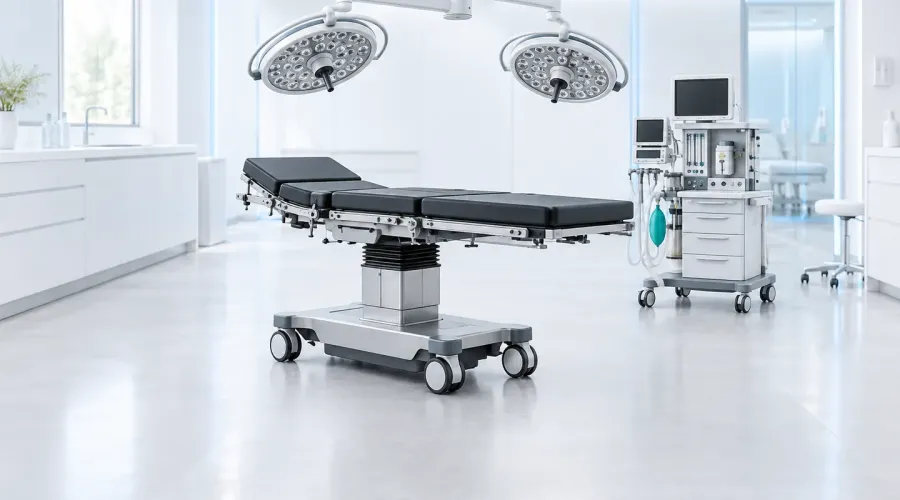
An operating table holds the patient in position for the whole procedure and gives the surgeon and anesthetist access to the field. It decides whether you can raise the pelvis, lower the head end, move an arm out or bring in a C-arm without transferring the patient. The section of the Finer catalog has universal and multi-purpose models and tables for gynecology and urology. There are X-ray and angiography tables too, as well as attachments and mattresses. Brands include ATESE, Üzümcü Medical Devices and Inspital.
Which operating tables are in the Finer catalog?
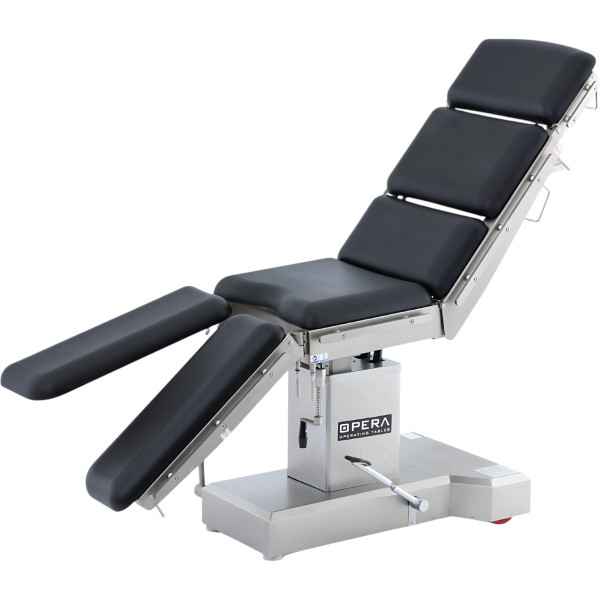
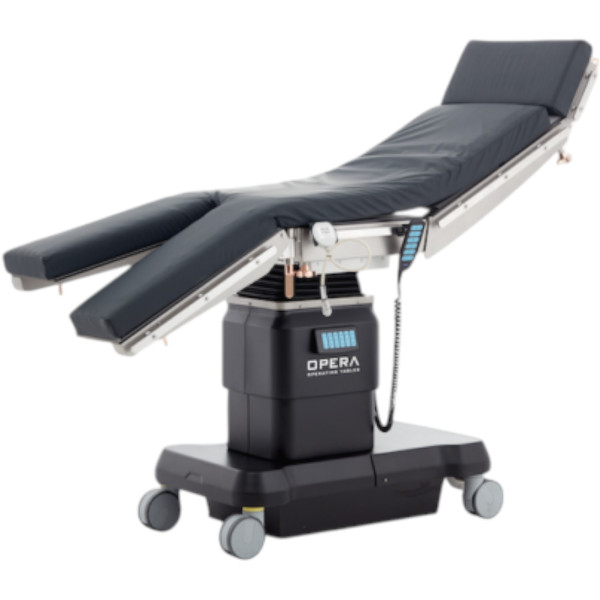
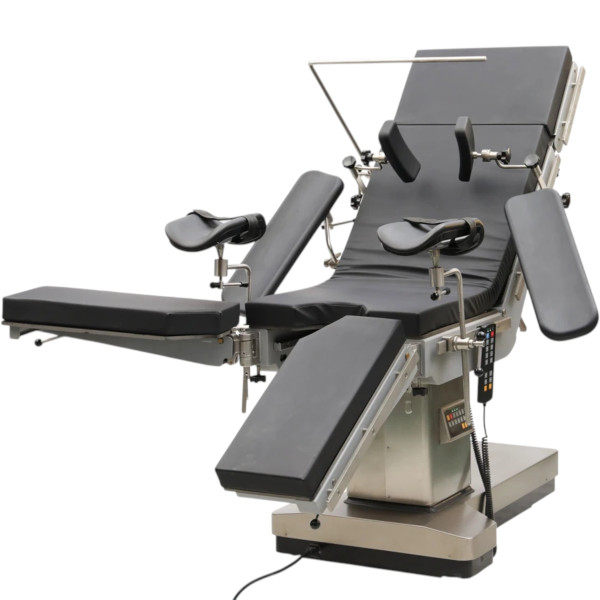
For general and multi-specialty surgery there is the OT80.25 universal operating table along with OT80.15, both electro-hydraulic. VOITH has 5 sections with electro-hydraulic control, ET-300C has 5 sections with a radiolucent top, and TORO 9000 and 300 C complete the group. For imaging there is the VEDO X-ray surgical table and the CXR-704L angiography table. Tables are fitted with attachments and mattresses: the TS-I orthopedic traction attachment, the CSS-I cranial stabilization system and the OT60.62 mattress for Inspital tables.
Gynecology and urology get the motorized ATESE GT-300C table and the WYD01A operating table with a 300 mm top slide. For exam rooms there are the JM-1A and JM-4F diagnostic tables, the latter with a wider adjustment range.
Which operating table drive should you choose?
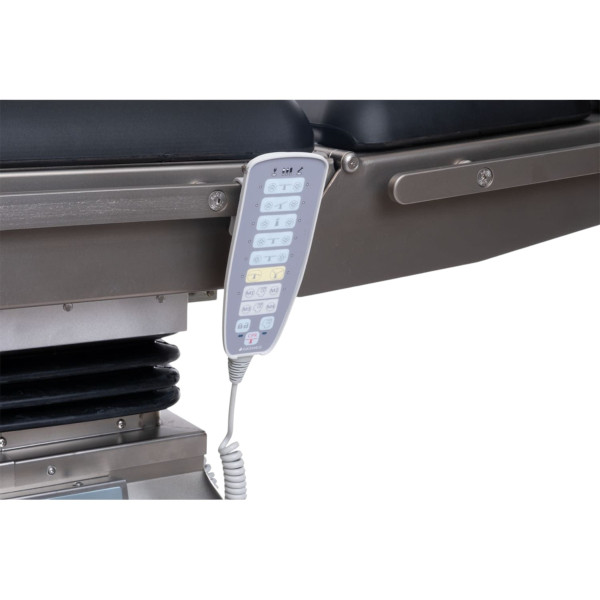
A manual table is simpler and does not depend on mains power: the manual OM-2M is built precisely for places with no electricity. An electric or electro-hydraulic table moves from a hand control, so nobody has to crank handles once the surgeon is working. Such models include the OM-6N electric operating table with a polyurethane pad, the electromechanical OP-2P with a hand control and the electro-hydraulic tables mentioned above, with OP-2V and its 10 cm visco mattress alongside. If your hospital loses power now and then, look at a battery model or keep a manual table in reserve.
How to choose an operating table for your procedures?
General surgery gets by with a universal table and a few sections. Orthopedics needs a traction attachment and neurosurgery needs head fixation, while vascular surgery needs a radiolucent top with room for the C-arm. Then check how the position changes: the height range and the Trendelenburg and lateral tilt angles, plus the longitudinal slide of the top. The slide frees up more room for the C-arm, which makes it especially useful in hybrid and trauma operating rooms.
Check load capacity against your real patients, not an average. Surfaces should be stainless steel or a coating that tolerates your disinfectants, with a mattress that has no seams and does not soak up fluids. Think through the attachment set separately. Leg holders and arm boards, an anesthesia screen or a traction frame are not needed by every department, but they are what make a table fit specific operations.
Where to buy an operating table?
Operating tables for Ukrainian medical facilities are supplied by Finer Ukraine LLC, which has been working since 2015. To buy an operating table without extras, tell us your procedures, whether a C-arm will be used and what your power supply is like. Our doctors and engineers will choose the model and attachments and draw up a commercial proposal with the tender package. We then bring the table, set it up on site and show the scrub nurses how to operate it. A surgical lamp usually hangs above the table, stretchers are in For transportation, and the rest of the medical furniture is in the parent section. If you are fitting out the whole operating room along with the table, look at our turnkey solutions. For help choosing, call 0 800 334 585 or write through the form on the contact page.
FAQ
1. What is an operating table?
It is a table that holds the patient in the right position throughout the procedure and gives the surgeon and anesthetist access to the operating field. The top is split into sections that can be raised or lowered and tilted by a manual, electric or hydraulic drive, and attachments for a specific operation are fixed to the frame.
2. What else is an operating table called?
People often say "surgical table". Specialized models are named by purpose: an X-ray surgical table such as VEDO, an angiography table such as CXR-704L or a gynecology and urology table such as GT-300C. The JM-1A and JM-4F gynecological diagnostic tables are meant for exam rooms.
3. How much does an operating table cost?
The drive and the number of sections move the price most, followed by a radiolucent or carbon top and a battery. Attachments add up as well: leg holders, arm boards, an anesthesia screen, a traction frame. Some models show a price on their page, and for the rest we quote for your procedures and the configuration you need.
4. How much weight can an operating table hold?
Load capacity depends on the model and is listed in each table's specifications. Compare it not with an average weight but with the heaviest patients your facility actually operates on. We will give exact figures for the models you are considering in the commercial proposal.
5. How does a universal operating table differ from a multi-purpose one?
Manufacturers draw no sharp line. A universal table usually means one for general surgery with a few sections, such as OT80.25. Multi-purpose tables such as VOITH or TORO 9000 are designed for a wider range of procedures, meaning more positions and attachments for orthopedics, neurosurgery or C-arm work.
 Carbon Bio HealthcareAngiographic table CXR-704LAngiographic table CXR-704L1 800 000 грнView details
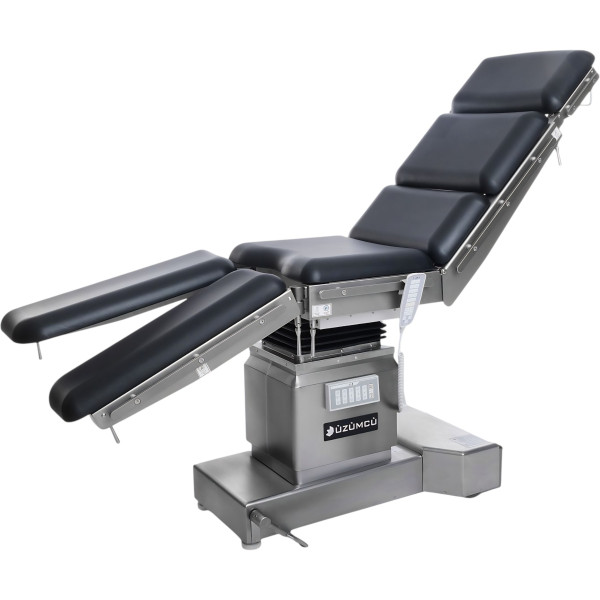
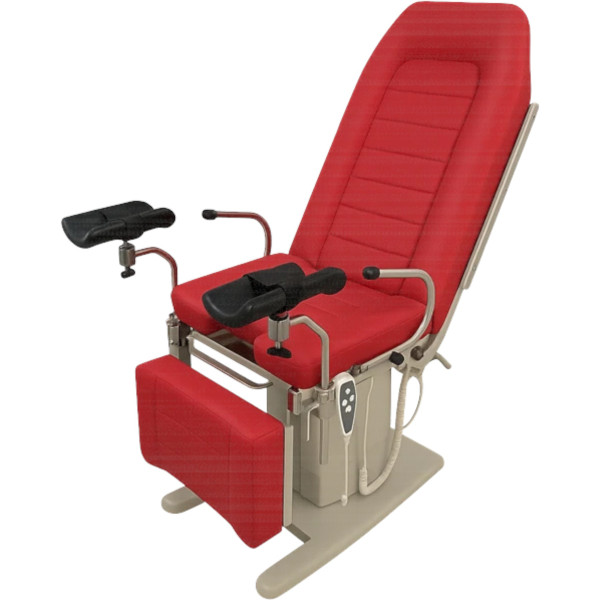 AteseGynaecological and urological table ATESE GT-300CGynaecological and urological table ATESE GT-300CRequest priceView details
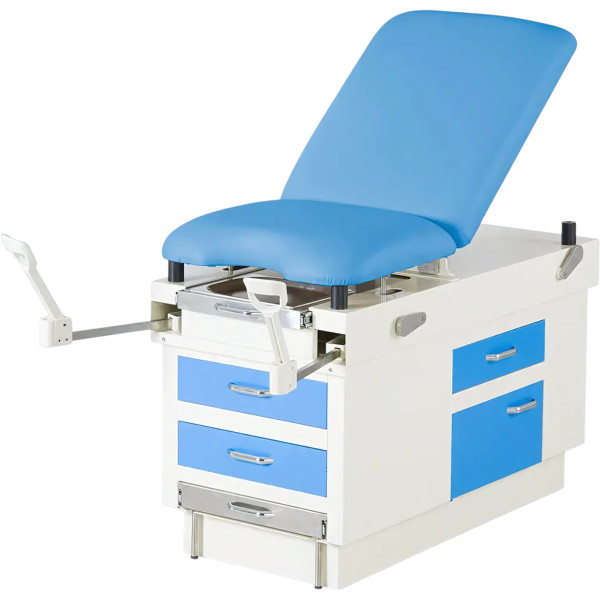 ÜzümcüGynaecological examination table JM-1AGynaecological examination table JM-1ARequest priceView details
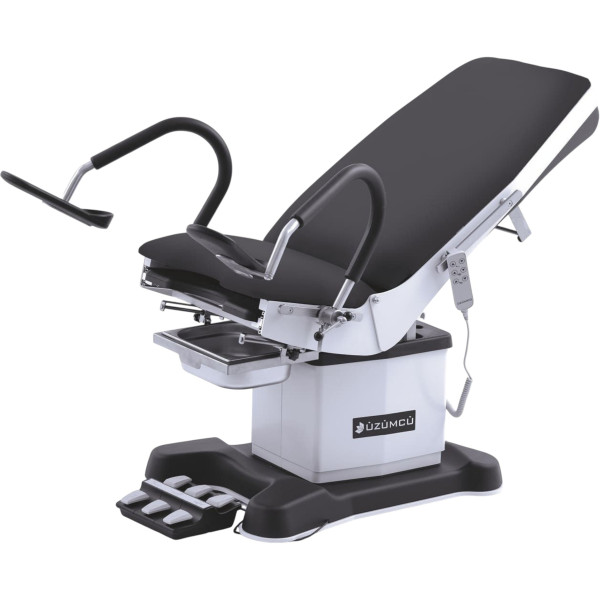 ÜzümcüGynaecological examination table JM-4FGynaecological examination table JM-4FRequest priceView details
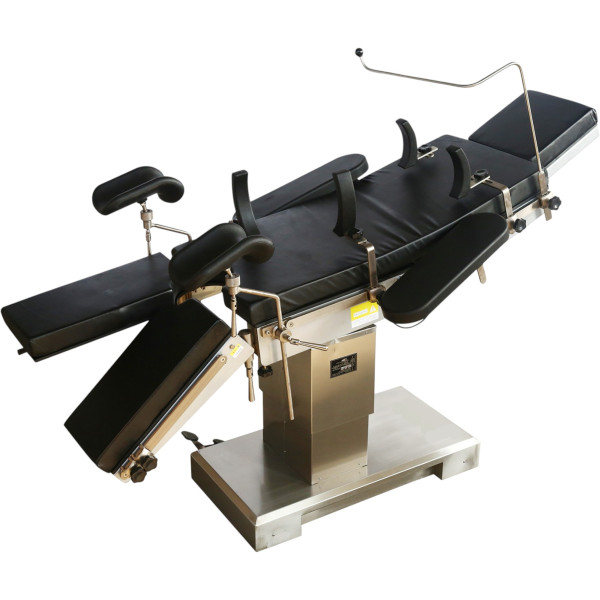 Gynaecological operating table WYD01AGynaecological operating table WYD01ARequest priceView details
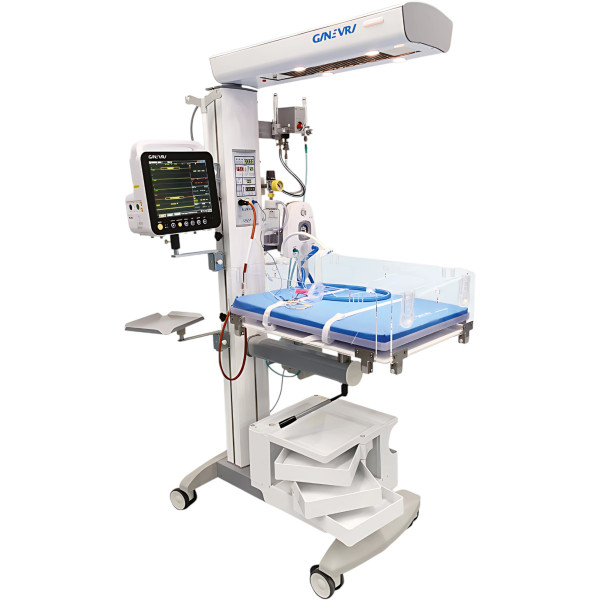 GinevriNeonatal resuscitation table with temperature supportNeonatal Resuscitation Table AlhenaRequest priceNewView details
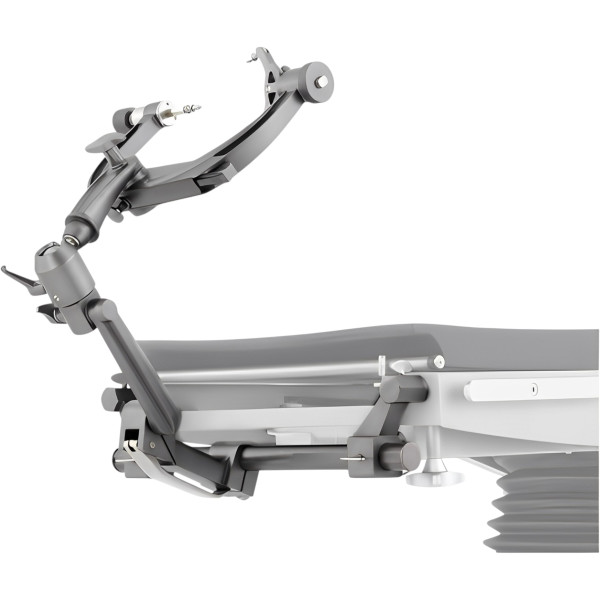 ÜzümcüNeurosurgical headrest with 4-point fixationNeurosurgical headrest with pin and horseshoe OM-285Request priceNewView details
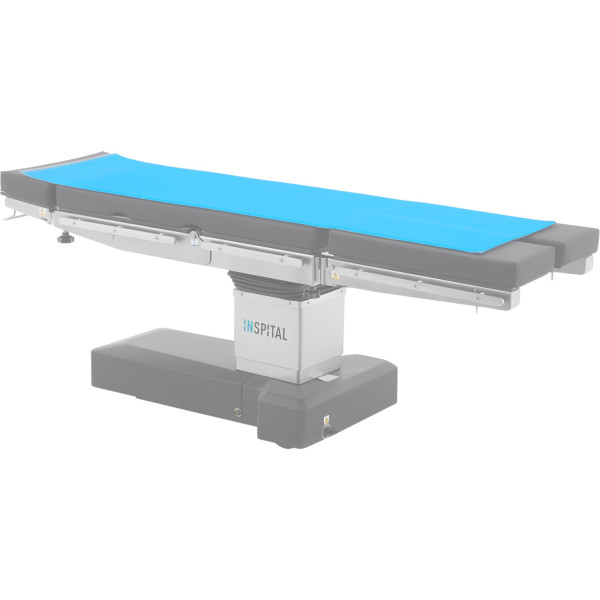 InspitalOperating table mattress OT60.62Operating table mattress OT60.62Request priceView details
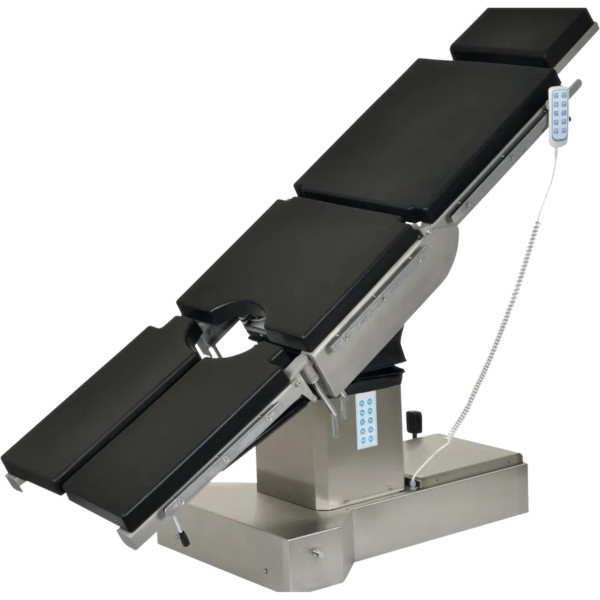 AteseOperating table model ATESE ET-300COperating table model ATESE ET-300CRequest priceView details
 AteseOperating table, model ATESE VOITHOperating table, model ATESE VOITHRequest priceView details