-
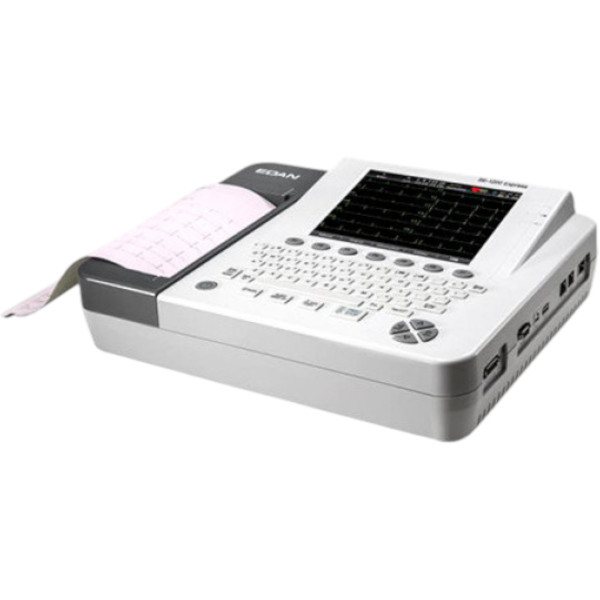 Edan12-channel electrocardiograph SE-1200 express12-channel electrocardiograph SE-1200 expressRequest priceView details
-
-
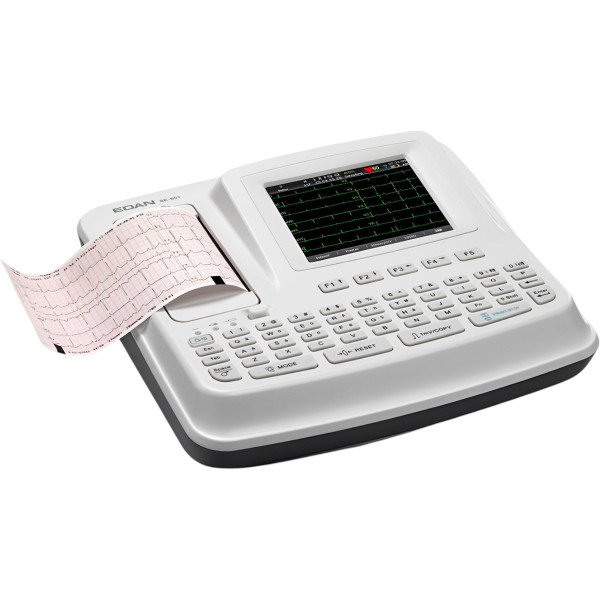 Edan6-channel electrocardiograph SE-601B6-channel electrocardiograph SE-601BRequest priceView details
-
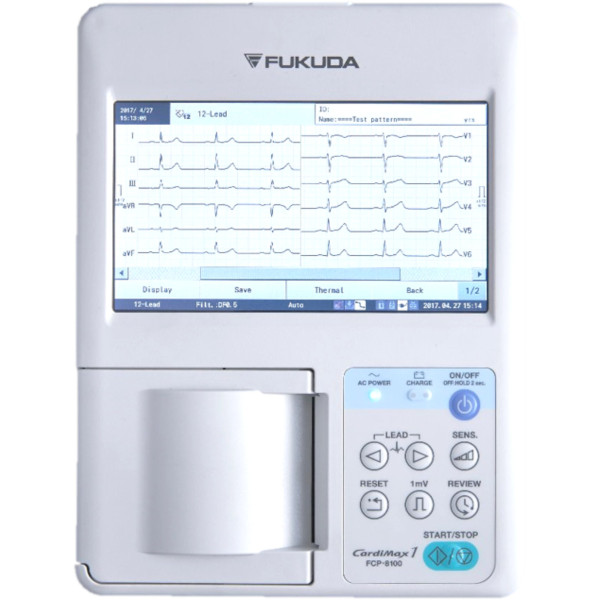 Fukuda DenshiElectrocardiograph FCP-8100/FX-8100Electrocardiograph FCP-8100/FX-8100Request priceView details
-
-
-
-
-
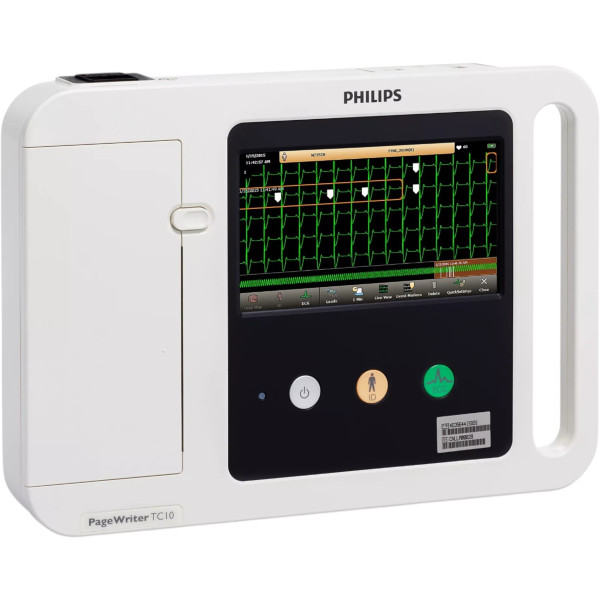 PhilipsElectrocardiograph PageWriter TC10Electrocardiograph PageWriter TC10Request priceView details
-
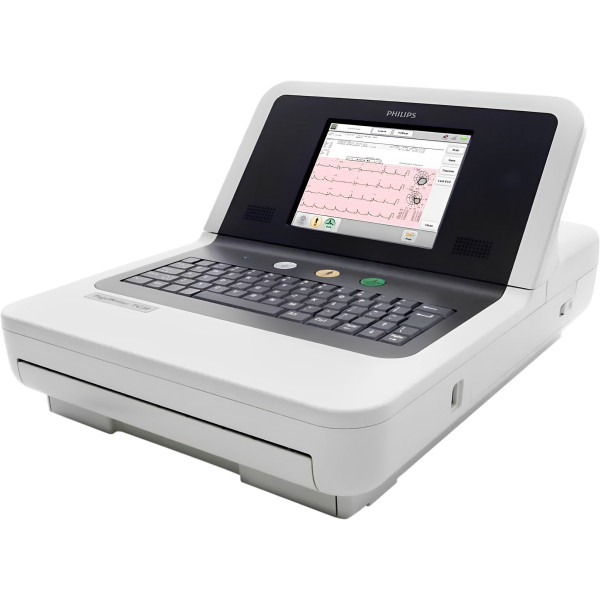 PhilipsElectrocardiograph PageWriter TC30Electrocardiograph PageWriter TC30Request priceView details
-
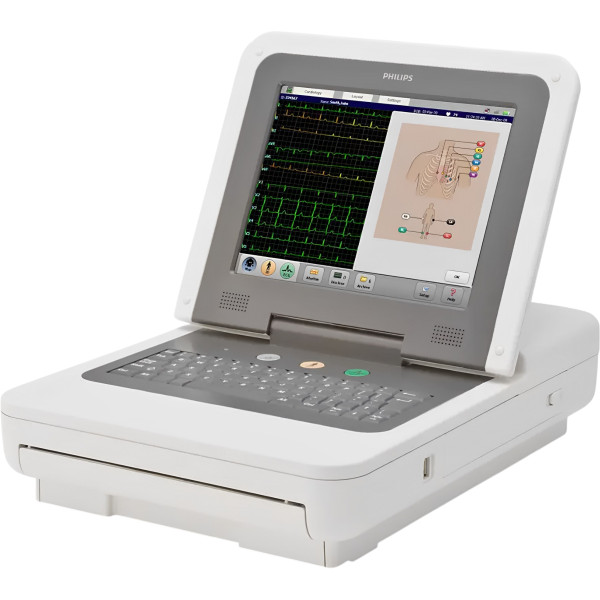 PhilipsElectrocardiograph PageWriter TC50Electrocardiograph PageWriter TC50Request priceView details
-
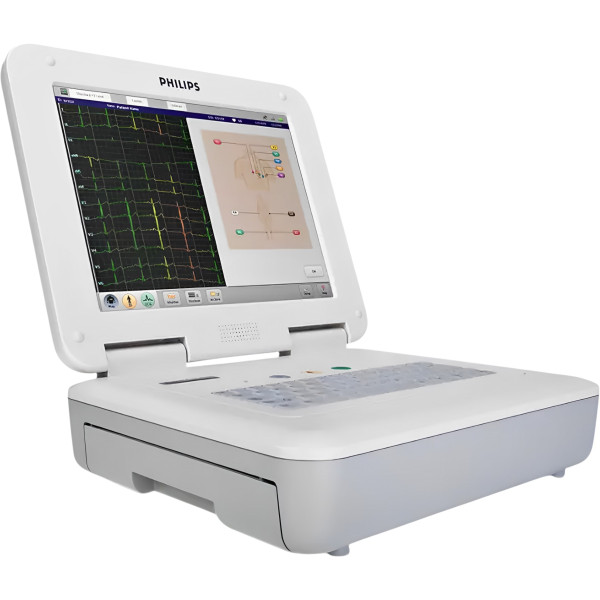 PhilipsElectrocardiograph PageWriter TC70Electrocardiograph PageWriter TC70Request priceView details
Electrocardiographs
An electrocardiograph records the heart's electrical activity through electrodes on the limbs and chest, and outputs the ECG to paper, a screen or an electronic archive. Hospitals use one almost everywhere: in the functional diagnostics room and the emergency department, in cardiology, in a family doctor's office. This section of the Finer catalog has machines from Fukuda Denshi and Philips, plus Edan. They range from a 1.2 kg compact unit that is easy to take to a ward up to 12-channel systems that send recordings to the facility's archive.
Which electrocardiographs does the Finer catalog offer?
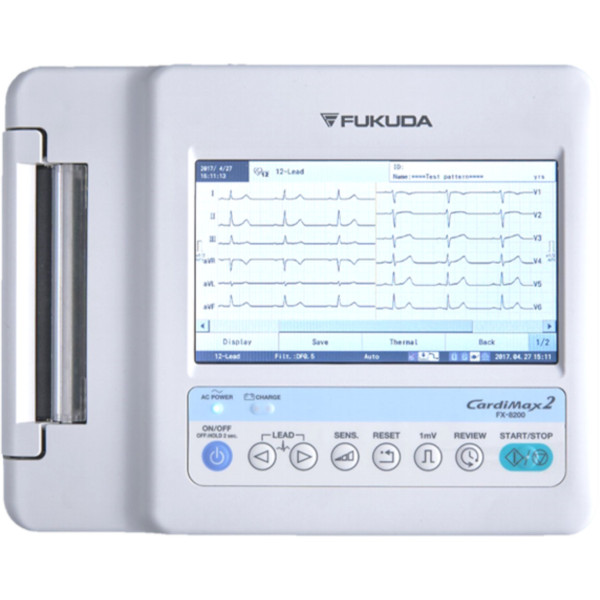
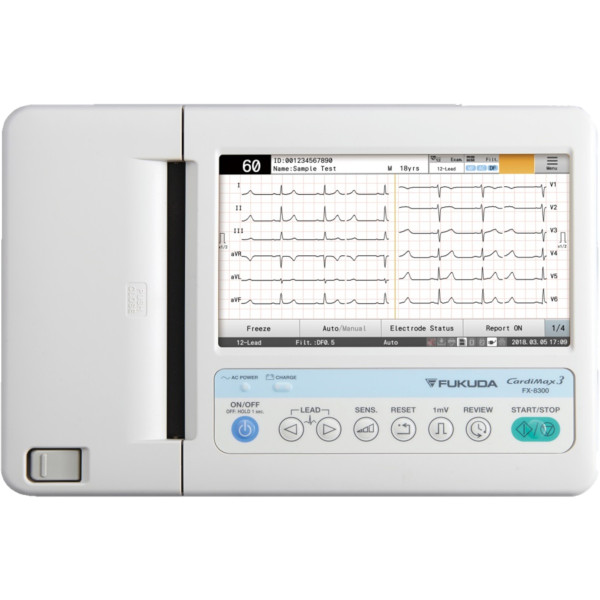
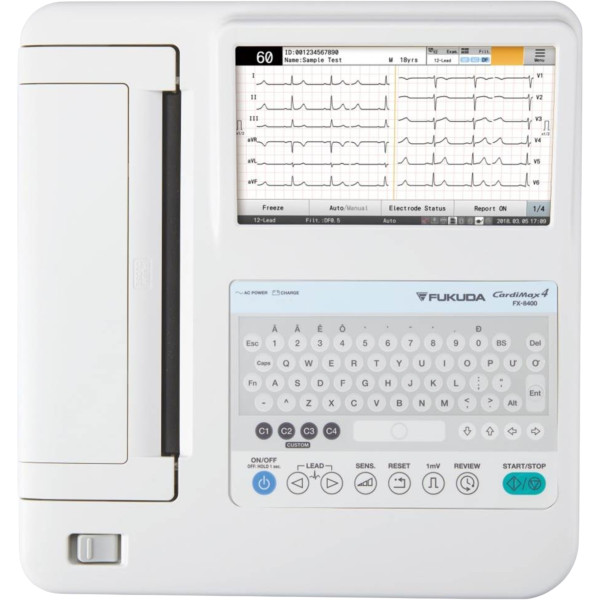
The Fukuda Denshi FX line starts with the compact FCP-8100/FX-8100 electrocardiograph, which weighs 1.2 kg and interprets rhythm. The FX-8200 records 6 or 12 leads, the FX-8300 has a wide 8″ display, and the FX-8322 saves recordings to SD, USB or a DMS system. The FX-8400, also with an 8″ display, includes acute myocardial infarction detection. Fukuda Denshi also makes ECG stress systems for exercise testing.
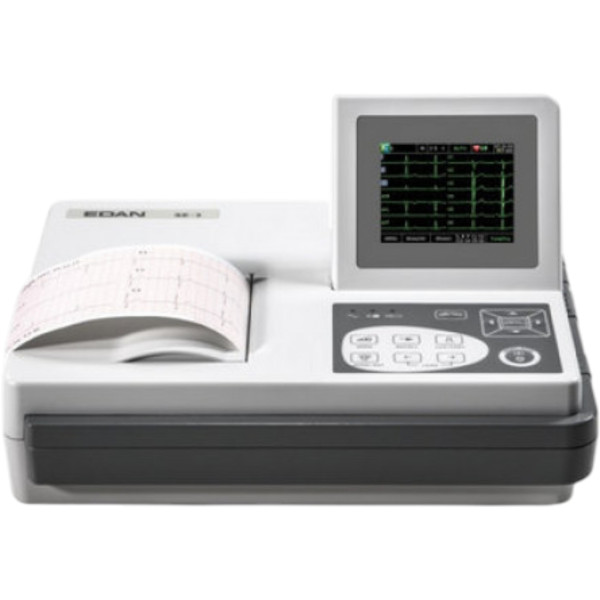
Philips is represented by four PageWriter models. The PageWriter TC10 comes with the Trident anatomically shaped patient module. The TC30 is built for everyday diagnostic work, the TC50 is compact with an extended feature set, and the TC70 produces clinical reports on the spot. From Edan there is the SE-1200 express 12-channel ECG for adults and children. It runs a preliminary interpretation with the Glasgow algorithm and sends recordings to a hospital information system over DICOM or HL7. Next to it sit the 6-channel SE-601B with a 5.7″ color display and the 3-channel SE-3.
How to choose an ECG machine for a facility?
Start with the channel count. A standard ECG has 12 leads. A 3-channel machine prints them in groups of three, a 6-channel one in groups of six, and a 12-channel machine records every lead at once. With dozens of patients per shift, a multichannel unit saves real time on each exam. Automatic analysis gives a preliminary statement and interval measurements right after the recording, which saves the physician time on routine exams, though the physician still signs the report.
Then think about the archive. SD or USB storage is fine for a small office. A hospital is harder: if it keeps an electronic ECG archive, check compatibility before the tender. A battery-powered portable unit goes to the wards, on home visits, into an ambulance, while a diagnostics room is better served by a large screen and full-size printing. Thermal paper in the right format is bought for the machine's whole service life, as are electrodes and patient cables, so ask about their price and availability up front.
When do you need a Holter or a monitor instead?
An electrocardiograph takes a recording over a few minutes at rest. If rhythm problems come in episodes, you need a recording over 24 hours, and that is a job for a Holter monitor. You will find them under Holters. For continuous bedside observation in intensive care there are patient monitors. Ischemia that does not show at rest is looked for on a stress system during exercise.
Where to buy an electrocardiograph?
Finer Ukraine LLC has worked with functional diagnostics rooms and cardiology departments, as well as outpatient clinics, since 2015. Tell us where the machine will work, how many patients a day it will see and whether recordings need to go to an archive. Finer's doctors and engineers will pick the model, prepare the quote and tender papers, then deliver and commission the machine. Staff training is part of the job. If you are equipping a whole diagnostics room, see our turnkey solutions. Other devices are in Diagnostic equipment. Call 0 800 334 585 or write to us via the contacts page.
FAQ
1. How does an electrocardiograph work?
Electrodes on the limbs and chest pick up the heart's weak electrical signals. The machine amplifies them, filters out interference and draws a trace for each lead. The recording is printed on thermal paper, shown on screen or saved to memory and the archive.
2. How do 3-, 6- and 12-channel electrocardiographs differ?
The channel count is how many leads the machine records at the same time. A 12-channel unit such as the SE-1200 express or a PageWriter records all 12 standard leads together, so the exam is faster. The 3- and 6-channel SE-3 and SE-601B suit small offices and primary care points.
3. How do you use an electrocardiograph?
The patient lies still and the skin under the electrodes is degreased. Four electrodes go on the limbs and six on the chest. You then check signal quality on the screen and start the recording. The physician reviews the machine's preliminary statement and signs it.
4. What is an exercise ECG?
It is an ECG recorded while the patient exercises on a treadmill or a cycle ergometer. It reveals ischemia that does not show at rest. These tests need a separate stress system; Fukuda Denshi is one of the makers.
5. Electrocardiograph price: what does it depend on?
On the channel count and the screen, on automatic analysis, on how recordings are transferred. The same model costs more with archive software or a cart, and with a larger stock of paper and electrodes, so we quote the price in a commercial proposal for the exact configuration.
Categories by purpose

- Solutions
- Finer Ukraine