A fixed X-ray machine is installed in a radiology room for the long term. The generator and tube, the table, the detector stand all work as one system that handles dozens of patients a shift. This section collects digital fixed systems for hospitals and outpatient clinics as well as diagnostic centers, from simple units that only take images to multifunction systems that combine radiography with fluoroscopy. Mobile and bedside models are listed separately under Portable X-ray machines.
Which fixed X-ray systems does the Finer catalog offer?
The PROTEC PRS 500 line covers rooms of different sizes. The PRS 500 F digital radiography system has a wall stand and a fixed table. The PRS 500 E is modular and configured to the practice, the PRS 500 B is motorized with automatic tracking, and the PRS 500 C is a compact entry-level unit. For fluoroscopy work there is the DTP576 diagnostic X-ray system with 3 workstations and a 43×43 cm detector. The DP580B with a 50 kW generator does both radiography and fluoroscopy. The SONTU500-Sirius and SONTU530-Sirius provide real-time fluoroscopy, and the Lucerna RF-TILT A50 has intelligent image processing.
Among the high-power and universal systems are the Talent II at 80 kW with a 3072×3072 matrix and the Lucerna U-ARM with a U-arm and a 17×17″ detector. Next to them sit the SONTU100-P50(E) with a large A-Si detector, the SONTU300-Mars, FUJIFILM FDR Visionary Suite, plus the MIRAX Scorpius Pro, a 20 kW system with auto-positioning. For screening on the road there is the IVECO MOBILE CLINIC, a mobile X-ray unit on an IVECO or Mercedes chassis.
How many workstations does an X-ray room need?
A workstation here means a position where an image is taken. An exam table and a vertical stand give two, which is enough for general radiography in an outpatient clinic. A 3-workstation system adds a tilting table for fluoroscopy, used for gastrointestinal studies and for guiding procedures. A U-arm holds the tube and detector on a single arm and images the patient standing, sitting or on a stretcher. That helps when the room is small or trauma patients arrive often.
How to choose a fixed X-ray system?
Start from the studies and the patient flow. How many patients per shift? Is fluoroscopy needed? Will trauma patients come in on stretchers? Systems in the catalog have generators of 20 up to 80 kW. More power shortens exposure, which matters for larger patients and for images in motion. A 43×43 cm detector covers an adult chest in one shot, so also look at the matrix and at how the detector is built into the table or stand. Motorized movement, auto-positioning and automatic tube tracking save the radiographer's time.
The workstation decides how images are processed and stored: processing software, DICOM transfer to PACS, film printing if needed. A fixed X-ray system needs a room prepared before it arrives, with shielded walls and doors, a power supply for the generator and a license. Other types of machines are in X-ray machines. Consumables and film processors are under components for X-ray machines.
Where to buy a fixed X-ray machine?
Finer, legally Finer Ukraine LLC, has equipped healthcare facilities with equipment from global manufacturers since 2015, radiology rooms among them. Tell us which studies you plan, what room you have and how many patients you expect, and the digital radiography system in the proposal will fit that room. Finer's doctors and engineers will pick the model and prepare tender documents. We then arrange delivery and installation and train the radiographers. A turnkey room is described on our solutions page. Call 0 800 334 585 or use the form on our contacts page.
FAQ
1. How does an X-ray machine work?
The generator applies high voltage to the X-ray tube, which emits a beam of radiation. The patient's tissues absorb it unevenly: bone absorbs more than soft tissue does. A digital detector registers how much radiation got through, and the workstation turns that into an image within seconds.
2. What does a fixed X-ray machine consist of?
A generator and an X-ray tube, an exam table, a vertical stand with a detector, and a workstation. Fluoroscopy systems add a tilting table, while a U-arm mounts the tube and detector on one arm.
3. What are the room requirements for an X-ray room?
Walls and doors must shield against radiation, and the electrical supply must handle the generator load. The facility needs a license to work with sources of ionizing radiation. Room size also affects the configuration; in a small room a U-arm is more convenient.
4. Which X-ray machine suits an outpatient clinic, and which a hospital?
General radiography in an outpatient clinic needs two workstations, as on the PRS 500 F. A hospital doing gastrointestinal studies and guiding procedures needs a fluoroscopy system, for example the 3-workstation DTP576 or the DP580B.
5. What does the price of a fixed X-ray machine depend on?
On the number of workstations and the detector, on generator power, on the software and the scope of installation. That is why we price the exact configuration and quote it in a commercial proposal, not from a price list.
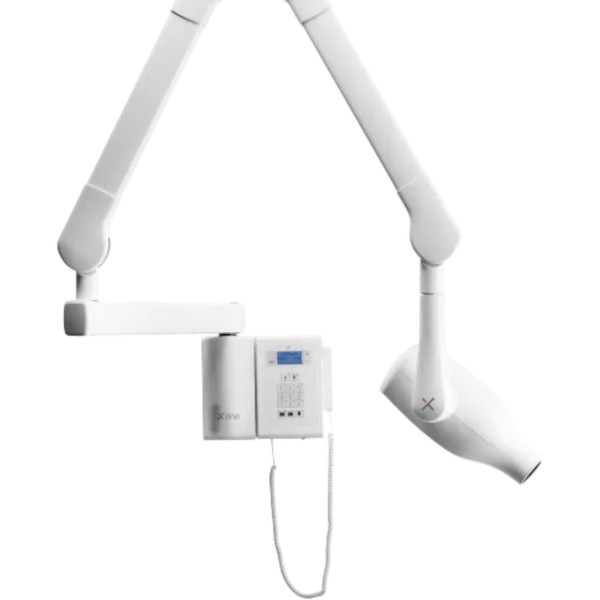
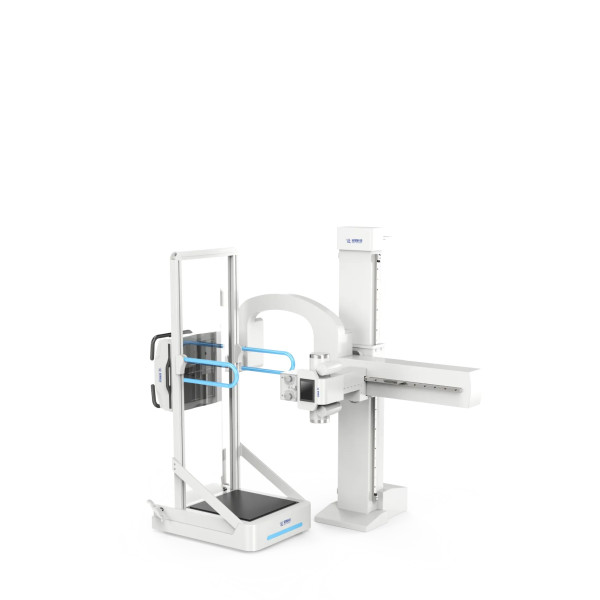
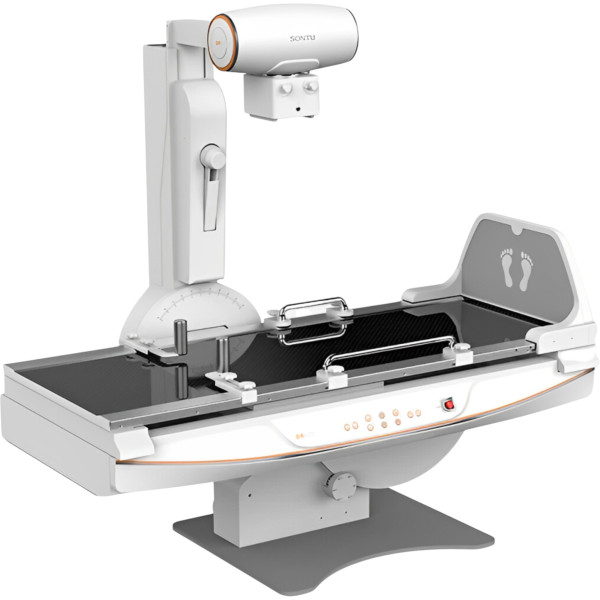 SontuDiagnostic X-ray system SONTU530-SiriusDiagnostic X-ray system SONTU530-SiriusRequest priceView details
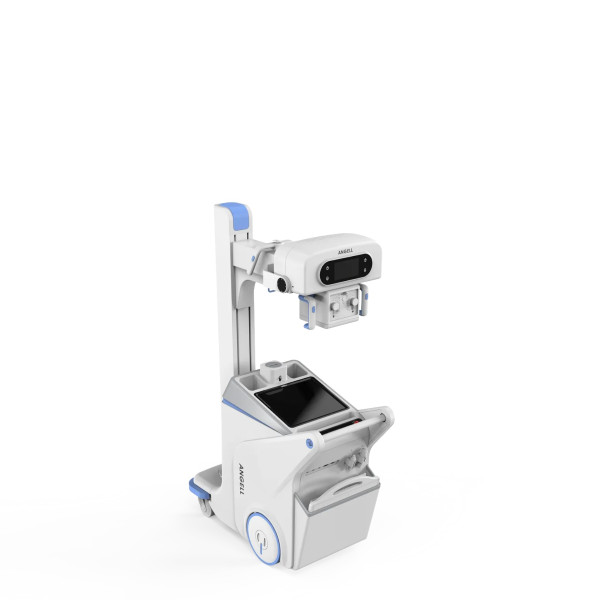
 AngellDigital medical radiographic system MIRAXTM Scorpius Pro (20 kW)Digital medical radiographic system MIRAXTM Scorpius Pro (20 kW)2 623 600 грнView details
 GMI General Medical ItaliaDigital radiography system Lucerna U-ARMDigital radiography system Lucerna U-ARMRequest priceView details
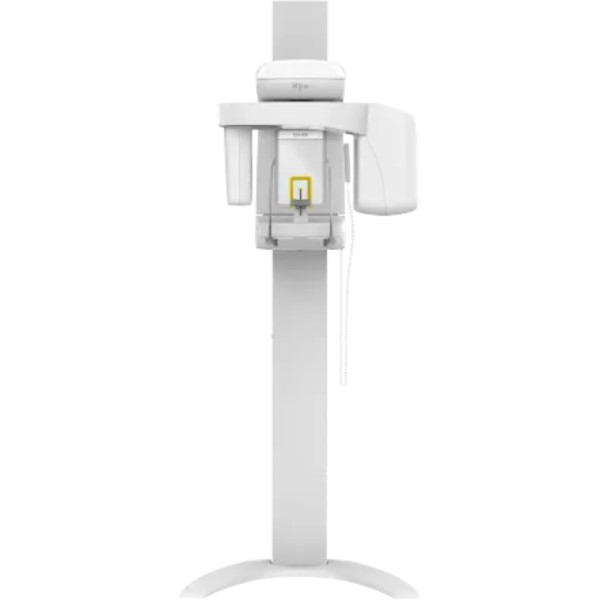 XlineDigital X-ray machine (panoramic, cephalometric) XDI -300/350Digital X-ray machine (panoramic, cephalometric) XDI -300/350Request priceView details
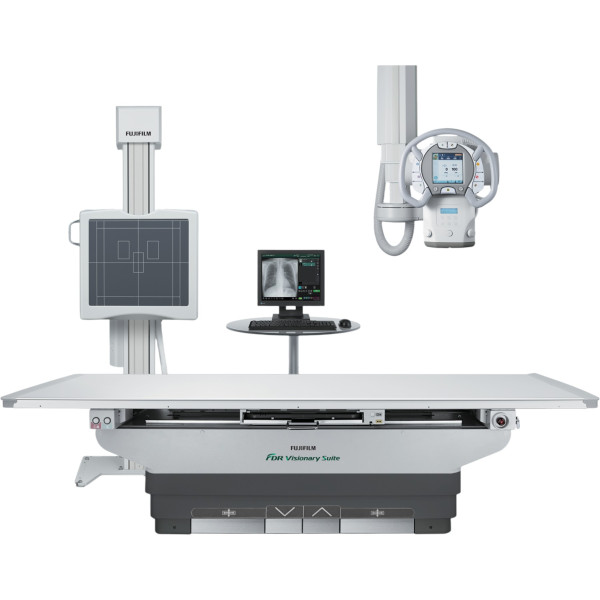 FUJIFILMDigital X-ray system FDR Visionary SuiteDigital X-ray system FDR Visionary SuiteRequest priceView details
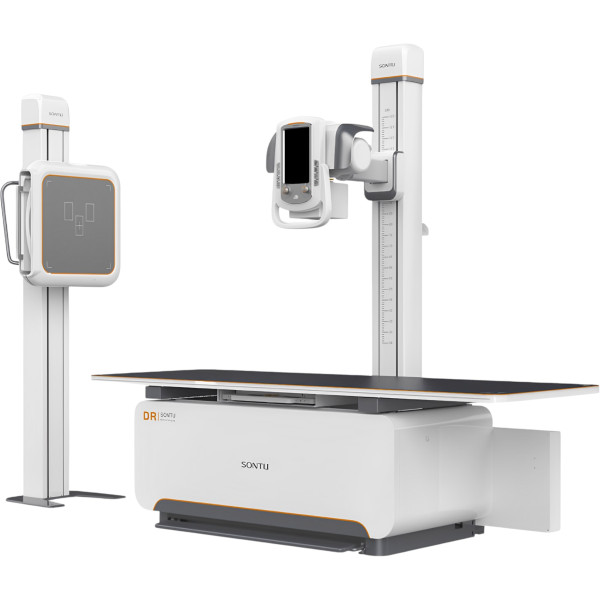 SontuDigital X-ray system i model SONTUZ00-MarsDigital X-ray system i model SONTUZ00-MarsRequest priceView details
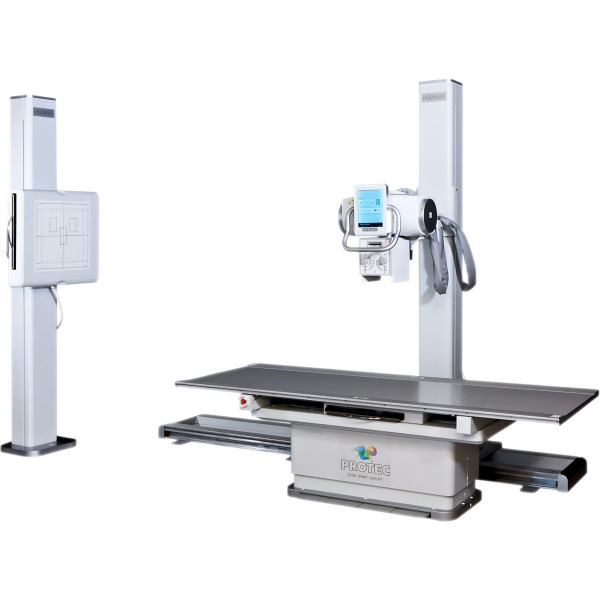


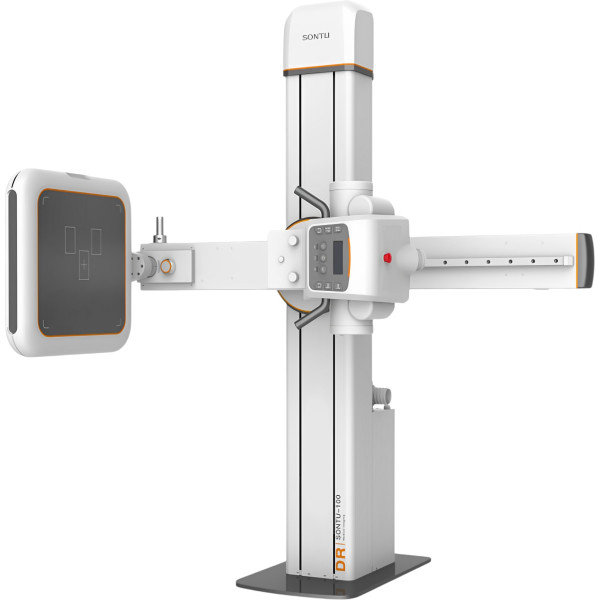 SontuDigital X-ray system SONTU100-P50(E)Digital X-ray system SONTU100-P50(E)Request priceView details
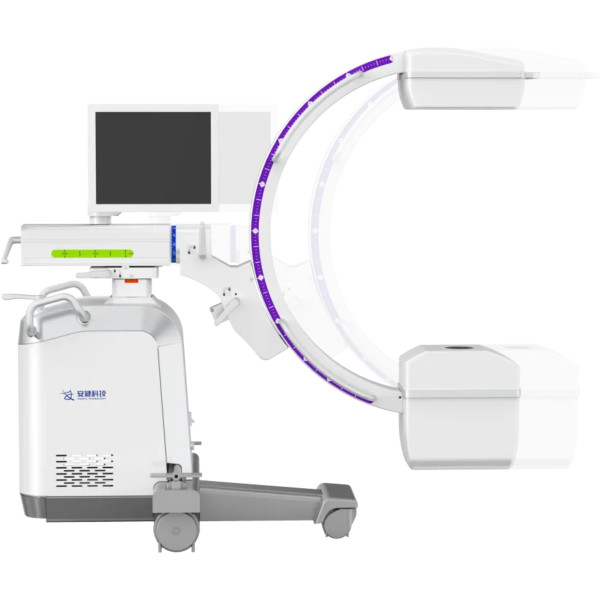
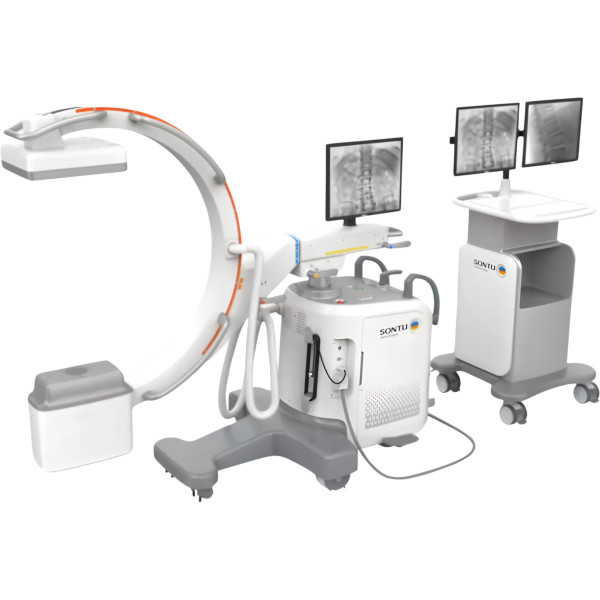 SontuMobile C-arm X-ray system SONTU600-Saturn (A)Mobile C-arm X-ray system SONTU600-Saturn (A)Request priceView details
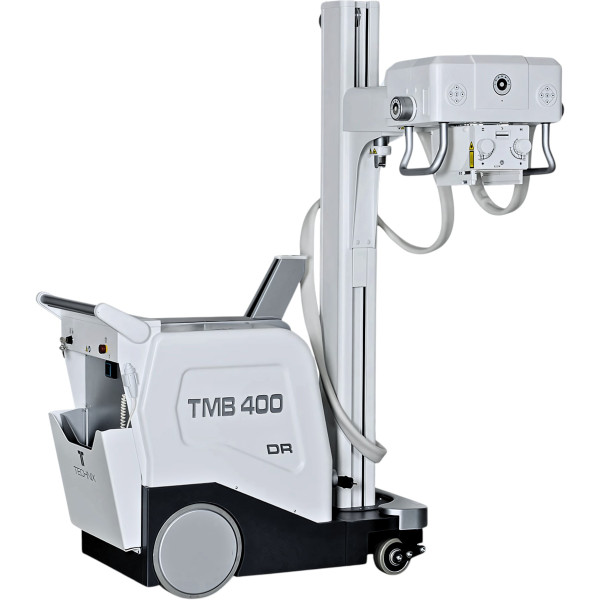 TechnixMobile digital radiography system TMBMobile digital radiography system TMBRequest priceView details
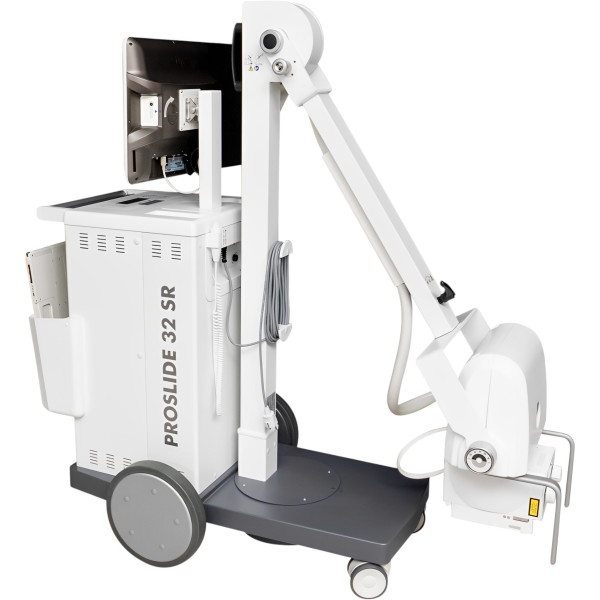 PROTECMobile digital X-ray system PROSLIDE 32 SRMobile digital X-ray system PROSLIDE 32 SRRequest priceView details
 Mobile X-ray ambulance IVECO MOBILE CLINICMobile X-ray ambulance IVECO MOBILE CLINICRequest priceView details
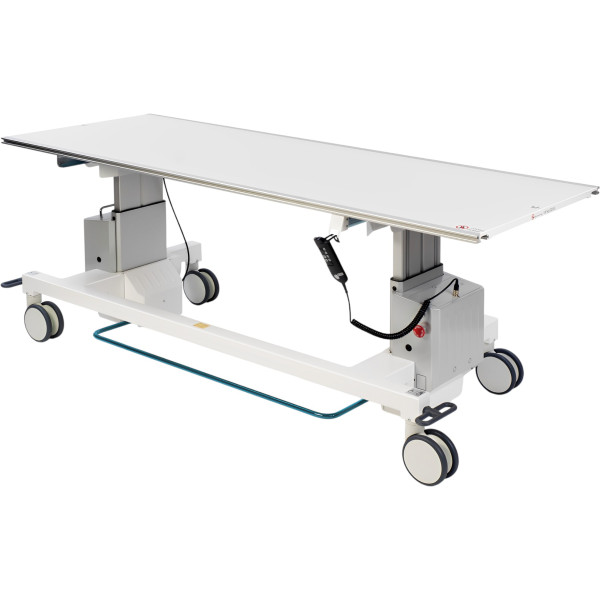 PROTECMobile X-ray angiography table PROGNOST X seriesMobile X-ray angiography table PROGNOST X seriesRequest priceView details