An X-ray machine for a hospital, private clinic or dental practice is chosen to fit the job of the room: general radiography, fluoroscopy, intraoperative imaging, bedside imaging or mammography. This Finer section covers many types of X-ray machine, with fixed digital systems and C-arms as well as CT and MRI scanners. Components for them are here too. Brands in the product cards include PROTEC, ANGELL, SIMAD, Technix, Sontu Medical Imaging and FUJIFILM.
Which X-ray machines are in the Finer catalog?
The section is split into subsections by equipment type:
- X-ray units. Fixed digital systems for a radiology room: DTP576, DP580B, PRS 500, FUJIFILM FDR Visionary Suite, Lucerna RF-TILT A50 and SONTU500-Sirius for radiography and fluoroscopy. For mobile screening there is the IVECO MOBILE CLINIC X-ray vehicle.
- Portable X-ray machines. Mobile ward systems DP326 and DP326 Light as well as М32 and TMS 320 RDR. The portable Unicorn and Europa90 complete the list. They serve intensive care and trauma as well as the emergency department.
- C-arms. Technix TCA 6 and TCA 7, as well as the TCA 7 Compact, for intraoperative imaging. The general list adds three Moonray models: COMPACT, DUAL, PRECISIO. The EMC and EMD series cover orthopedics and vascular surgery as well as cardiology, and there is the Quantic angiography system for interventional radiology.
- Mammography systems. DM156, Femaray-ME, AMULET Sophinity, PINKVIEW-DR PRIME, SOUL, Lilyum. Helianthus DBT adds tomosynthesis.
- Fluorographs. The PEDS 600 digital fluorograph for chest screening.
- CT scanners. uCT 520 and TurboTom 3, plus the mobile CT-3.
- MRI scanners. I_Open 0.36T and 0.4T, i_Magnate 1.5T, uMR 570 at 1.5 T and uMR® Jupiter 5T. The Supria CT with 32 and 128 slices is also listed here.
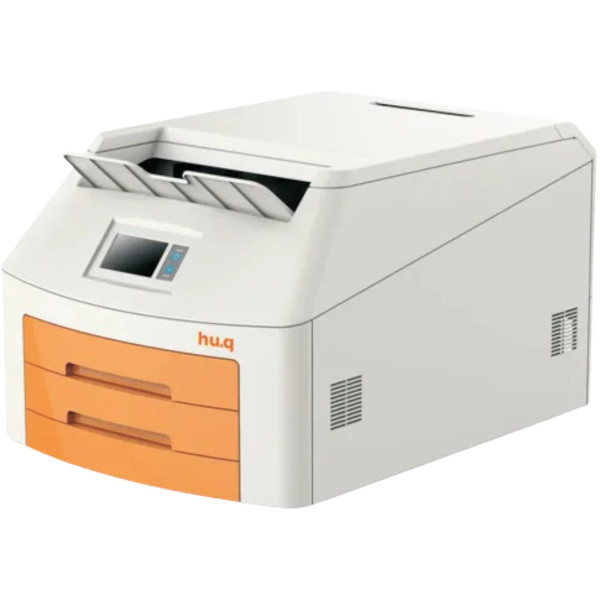
- Components for X-ray machines. COMPACT 2 and OPTIMAX film processors, the KND6320 film printer, the XDI-401/XDI-402 digital sensor and the 460DY and 760DY medical printers.
Dental practices can choose the Intraoral XDC, XDI-300 or the XDI-150 dental X-ray machine. A portable X-ray machine from the portable subsection also goes out on call-outs.
How do you choose an X-ray machine?
Start with the task and the patient flow. A general outpatient room, a hospital room with fluoroscopy, an operating room and a ward each need a different system, and the number of patients per shift decides how many workplaces and how much automation you need. Then comes the detector. A digital X-ray machine with a flat panel detector produces an image in a few seconds. Film with a processor is cheaper at the start but uses film and chemicals every day. The generator power and kV/mA range, together with the focal spot size of the tube, determine which exams will be of good quality and for which patients.
The next question is mechanics. A floating tabletop, a wall stand or a U-arm like the one on the DTP580B-3 saves the radiographer time, and so do auto-positioning and image stitching for long bones and the spine. Some of our models have automatic exposure control (AEC) and a built-in dosimeter, which helps keep the dose under control. Look at the technologist station as well: processing software, DICOM transfer to PACS and printing to a medical printer. For C-arms and angiography, compare detector size and the DSA and road mapping modes for vascular procedures.
What does an X-ray room need?
The room is prepared before the machine arrives, not after. You need a radiation shielding calculation. Walls and doors must be shielded, with a viewing window, and the generator needs its own power supply. CT and MRI add floor load and air conditioning requirements, and MRI also needs a shielded room. The facility obtains a license from the State Nuclear Regulatory Inspectorate to use ionizing radiation sources, and staff undergo dosimetry monitoring. All of this takes time. Build these steps into the schedule alongside the purchase, so the machine does not wait in a warehouse while the shielding is finished.
X-ray machine price: what does it depend on?
The price depends on the system type and its detector and generator. The number of workplaces matters too, as do software and the scope of installation. That is why for most models we prepare a commercial proposal for a specific configuration. To buy an X-ray machine without options you will not use, tell us which exams you plan, the patient flow and the room you have. Then the proposal includes only the detectors and software the room will actually use, with the accessories it needs.
Where to buy an X-ray machine?
Finer Ukraine LLC has supplied X-ray equipment to hospitals and diagnostic centers as well as dental practices since 2015. Finer's doctors and engineers help choose a system for the tasks of the room and prepare a commercial proposal with a full tender package. After delivery they install the system, start it up and train the radiographers. Other modalities, including ultrasound, are in the Diagnostic equipment section. If the project covers a whole room or diagnostic center, see our turnkey solutions. For advice, call 0 800 334 585 or send a request from the contacts section.
FAQ
1. What kind of radiation does an X-ray machine produce?
X-rays, which are ionizing radiation. The tube emits only during an exposure, when the generator applies voltage to it; a switched-off machine is not a radiation source. That is why the room gets shielded walls and doors, and staff wear dosimeters.
2. What are the different X-ray machines used for?
A fixed digital system takes general radiographs and runs fluoroscopy in the X-ray room, a mobile unit images the patient at the bedside, and a C-arm shows images during surgery. A mammography unit is for the breast, a fluorograph for chest screening, while CT produces cross-sectional images.
3. Are there mobile and portable X-ray machines?
Yes, they are in the Portable X-ray machines subsection. The mobile systems DP326 and DP326 Light as well as М32 and TMS 320 RDR are wheeled to the bedside, so a patient from intensive care or trauma does not have to be moved to the X-ray room. For call-outs there are the lighter Unicorn and Europa90.
4. Which X-ray machine does a dental practice need?
Intraoral dental images are taken with a dental unit; in the catalog these are the Intraoral XDC, XDI-300 and XDI-150. A digital image comes from an intraoral sensor, for example the XDI-401/XDI-402 in the components section. The image appears on the computer in the treatment room right away.
5. Does an X-ray machine need a license?
Yes. A facility that uses ionizing radiation sources obtains a license from the State Nuclear Regulatory Inspectorate, and by the time the machine starts up, the room must already match its radiation shielding project. Paperwork is prepared in parallel with the purchase so the machine does not sit idle.

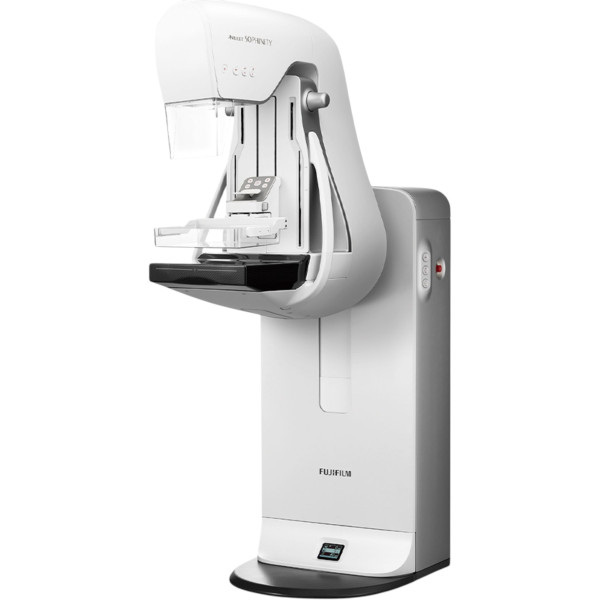 FUJIFILMMammography system AMULET SophinityMammography system AMULET SophinityRequest priceView details