Equipment tables in Ukraine: how to build an equipment list for a room or department
15 September 2026
An equipment table (табель оснащення, in full табель матеріально-технічного оснащення) is the Ukrainian Ministry of Health list of equipment, with minimum quantities, for a particular type of facility, department or consulting room. The Licence Conditions for medical practice refer to it directly: the table sets the minimum a room needs before it counts as equipped. Below we cover which tables the MOH has approved, what changes on 1 January 2027, and how to build your own list for a room or department in eight steps.
Why does a facility need an equipment table?
The Licence Conditions for medical practice (Cabinet Resolution No. 285 of 02.03.2016), clause 13(5), require instruments and equipment that match the profile and level of care. The same clause says the minimum list of equipment for a given type of facility, its branch or a sole trader is set by an equipment table.
This works together with clause 22, which requires equipment that is authorised for use in Ukraine and needed for the scope of care in the MOH unified clinical protocols. So the model list is the floor, and the protocols show what your particular services still need. If a protocol calls for a test and the list has no device for it, you still need that device, either your own or one used under a contract with another licensee.
The third use is practical. The statement of material and technical resources filed for a licence is completed room by room, giving the name and quantity of each device as well as its manufacturer and model. Condition and year of manufacture go in too. A well-built in-house list drops almost straight into item 10 of that statement.
Which model tables has the MOH approved?
There is no single table for every facility, so a facility's own equipment table is always pieced together from more than one order. The MOH approves model lists by facility type, and each order usually holds several of them for different units. The main ones in use today:
| MOH order | Applies to |
|---|---|
| No. 148 of 26.01.2018 (as restated by No. 2857 of 10.12.2020, amended by No. 1746 of 19.11.2025) | facilities and sole traders providing primary care |
| No. 739 of 31.10.2011 | units of a consultative and diagnostic centre, with tables for specialists' rooms |
| No. 734 of 31.10.2011 | units of a planned-treatment hospital, including its outpatient clinic |
| No. 738 of 31.10.2011 | units of a multidisciplinary children's intensive-care hospital |
| No. 951 of 04.11.2010 | obstetric and gynaecological care, from rural posts and women's clinics to maternity hospitals and perinatal centres |
| No. 496 of 09.07.2009 and No. 1084 of 31.12.2009 | regional hospitals for adults and for children |
| No. 127 of 02.03.2011 | central district hospitals |
| No. 1311 of 05.06.2020 | units of the emergency medical care system |
Tables are amended item by item, so work from the current version, not an old scan. For primary care, Order No. 1746 of 19.11.2025 replaced one item with two: a portable otoscope or a combined device with an otoscope function, and a portable ophthalmoscope or a digital non-mydriatic fundus camera, including models with remote reading or AI-based automated analysis.
What changes on 1 January 2027?
MOH Order No. 274 of 02.03.2026 «Про затвердження Змін до деяких наказів Міністерства охорони здоров'я України» takes effect on 1 January 2027. Its preamble says the aim is to align the orders with the rules on barrier-free access and on infection prevention and control. It amends more than forty tables and repeals Orders No. 153 of 05.06.1998, No. 694 of 29.09.2009 and No. 954 of 15.12.2009.
The changes that matter most for purchasing:
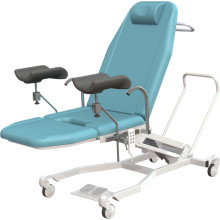
- in obstetrician-gynaecologist and urologist rooms, in women's clinics and in many other tables, the standard chair becomes «Крісло гінекологічне (для осіб з інвалідністю)», a gynaecological chair for people with disabilities;
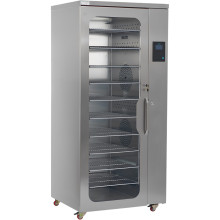
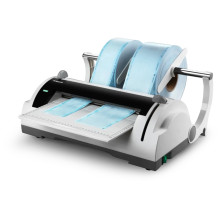
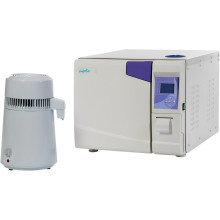
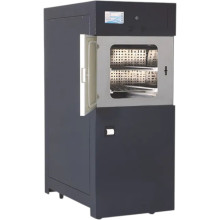
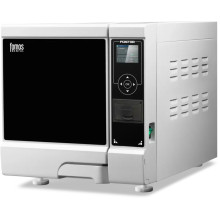
- the table for the central sterilisation department of a planned-treatment hospital is rewritten: a large steam steriliser, a stainless steel sink or a washer-disinfector, two continuous rotary heat sealers, an ultrasonic bath and closed transport trolleys, plus a washer-disinfector for flexible endoscopes and a low-temperature steriliser where the facility uses such devices;
- for a consultative and diagnostic centre, the new reprocessing unit table calls for a large or small steam steriliser;
- many room tables lose individual items, and germicidal UV irradiators are now described as open or shielded.
If you plan to buy in 2026, build the list against the new version. Getting the right chair or steriliser now costs less than replacing it a year later.

How to build an equipment table for your room
An in-house list is usually a spreadsheet with columns for the model table item and minimum quantity, what you already have (manufacturer, model, year, condition), and what to buy by when. The steps:
- List the specialties and types of care for each address that will appear in the licence.
- Find the closest model table. A private clinic with specialists' rooms most often works from the consultative and diagnostic centre tables in Order No. 739.
- Check the clinical protocols for your services and add any missing devices (clause 22 of the Licence Conditions).
- Take an inventory. Copy the model and year from the device passport, not from the accounting card.
- Mark the gap: buy, replace, or use under a contract with another licensee.
- For each new device, check what the manufacturer requires of the room: floor area and water supply, ventilation, power (clause 36).
- Flag measuring instruments so they go on the list for periodic verification (clause 13(7)).
- Update the sheet with every change, since the licensee must report changes to the statement within one month.
Dental and gynaecology room tables
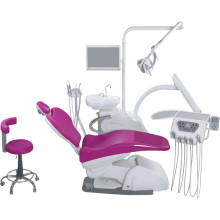
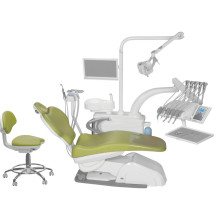
We found no separate table for a private dental surgery among the MOH orders currently in force. Tables for the rooms of a restorative dentist, an oral surgeon and a prosthodontist exist in Order No. 739 for consultative and diagnostic centres and in Order No. 734 for the dental department of a planned-treatment hospital's outpatient clinic. From 2027, Order No. 274 removes a few items from each of them. A dental room table is therefore best built on No. 739 or No. 734 in the new version, with the dental unit and suction, as well as sterilisation, chosen for the actual workload.
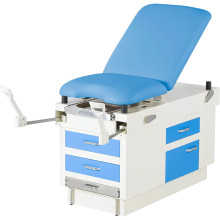
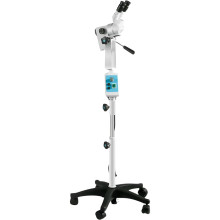
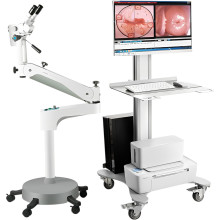
For gynaecology the main document is Order No. 951. Its women's clinic table has separate sections for recurrent pregnancy loss and family planning rooms, for infertility care, for cervical pathology, and there is a separate table for a paediatric and adolescent gynaecologist's room. The table for a gynaecology room in a diagnostic centre is in Order No. 739. From 2027 both documents list a chair for people with disabilities, so alongside a colposcope plan a chair or table with the right height range. Gynaecological tables sit in operating tables, and the examination chair in chairs.
Common mistakes when compiling the list
The first is using a table found online with no edition date. The second is listing instruments that can't be identified, even though the form says to leave them out. The third is buying a device without checking that the room meets its instructions. The fourth, and the most expensive, is equipping a room to a version that goes out of date within months. For purchases before the end of 2026 this mostly concerns gynaecological chairs and sterilisation.
What to prepare before you talk to a supplier
A draft of your table with a "to buy" column works best, together with a floor plan and the list of services you'll start with. From that, a supplier can pick models from medical equipment and diagnostics, check installation requirements and give you the passports for the statement.
Finer's engineers and doctors help put the list together for the facility's needs. We supply and install the equipment. After commissioning we train your staff. For a full department or clinic fit-out see turnkey solutions, and send your draft table via contacts or call 0 800 334 585.