A medical autoclave sterilizes instruments with saturated steam under pressure, and for metal and glassware it is still the default method (textiles too). Sterilization is only one step, though. Before it, instruments are cleaned and disinfected; after it, they are packed and stored so they stay sterile until the procedure. That is why this section covers the whole chain. You will find steam and plasma sterilizers, ultrasonic cleaners, a washer-disinfector, a sealing machine, cabinets for drying and storage, even a robot that disinfects rooms.
Why does a facility need equipment for the whole cycle?
Sterilization only works on a clean instrument. Blood and tissue left in hinges and channels, or in serrations, shield microorganisms from steam, so reprocessing starts with cleaning in an ultrasonic bath or a washer-disinfector. The instrument is then sealed in a sterilization pouch, run through a cycle and put into a cabinet to wait for the next operation. This work usually has its own room, with a one-way flow that keeps dirty and clean zones apart. So it makes sense to choose the cleaner and sealer, plus the cabinets, together with the autoclave, around the plan of the actual room. Then a sterile tray never has to travel back through the dirty zone.
How to choose a medical autoclave: class B, S or N?
Small steam sterilizers are classified under the European standard EN 13060. A class N unit has no pre-vacuum and is meant for solid, unwrapped instruments. A class B unit pulls air out of the chamber several times before the cycle (fractionated vacuum), so steam gets into hollow devices and porous loads, even into pouches, and vacuum drying removes moisture at the end. Class S sits in between; the manufacturer specifies which loads it can take. If instruments are sterilized wrapped and then stored, you need class B. Dental practices rely on it almost entirely because handpieces have internal channels. Class N works as a secondary unit for simple instruments that will be used right away.
After the class comes the workload. Count trays and sets per shift and the cycle time including drying. Benchtop models in our catalog have chambers of 8 up to 23 L, while a surgical hospital with an operating suite more often needs a horizontal unit. A printer or cycle logging to a storage device gives you a record for the sterilization log and for inspections. Then there is water: does the model have its own tanks, or does it need water treatment and a drain? A large unit needs its own power line and plumbing, which belong in the room design. Indicators, the Bowie-Dick test and packaging are a running cost for the life of the unit.
When do you need plasma instead of steam?
A steam cycle runs at 121 or 134 °C. Optics and cables cannot take that heat, nor can many plastics or some endoscopic instruments, so they go through a low-temperature process. Most plasma sterilizers use hydrogen peroxide and run at around 50 °C. There is a catch: cellulose (paper, cotton, cardboard) absorbs peroxide, so plasma needs its own packaging in place of the usual paper-film pouches. Before you buy, check your department's device list against what the sterilizer maker and the instrument makers allow. Otherwise some sets end up with no suitable method at all.
Which sterilizers and cleaners does the Finer catalog offer?
Steam units include the benchtop Foster 8L, the compact Foster Plus 8 and 12 L in class B, the Foster Plus 17 / 22 L class B units with self-diagnostics, plus the Linea 22L and a class N Linea rated at 1800 W. The benchtop MFO-8003 is a 23 L class B unit with a thermal printer. For a hospital sterilization department there is the MBS horizontal steam sterilizer with a HEPA filter. All autoclaves are also grouped on the Medical autoclaves page. Low-temperature work is covered by the MPS SERIES plasma sterilizer, the HF-LTPS100A/B plasma unit for metal and non-metal instruments, and the VitroSteril HPS 80 designed for hospitals. Fomos is the brand you will see most often on the product cards.
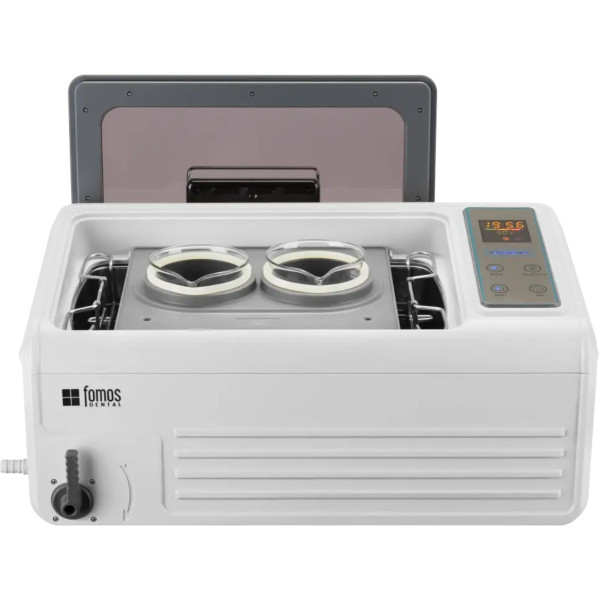
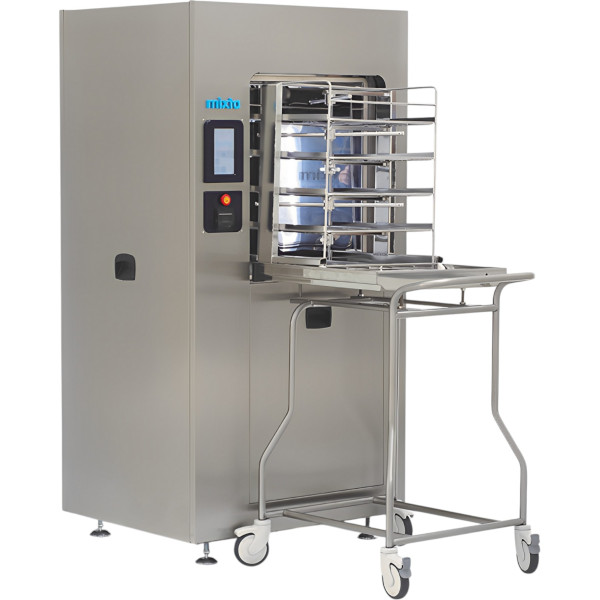
For cleaning there are the Foclean-25, Foclean-60 and MUY 1060 ultrasonic cleaners (the last one in 304 steel with digital controls), plus a 40 kHz Foclean cleaner with a 2.5 L tank. An operating suite can use the MYC washer-disinfector for surgical instruments. The Foseal sealer makes a 12 mm seam at 180 °C. Sterile storage is handled by the MGD 2060, MISD 2070 or MSAD 2008 cabinets, the MAKD 1010 instrument cabinet with 10 shelves and drying up to 70 °C, and the EDS8 cabinet for flexible endoscopes. The BKS-Y-800 robot disinfects rooms by spraying, on its own.
Where to buy a medical autoclave and sterilization room equipment?
Finer Ukraine LLC has worked with healthcare facilities since 2015. To buy only what you need, tell us which instruments you process and how many, whether you have a dedicated room and what water and power it has. Our doctors and engineers will put together a set around those numbers (sterilizer, cleaner, sealer, cabinets), prepare the commercial proposal and tender documents, then deliver, install and commission the units and train your staff. If you are fitting out a sterilization room, an operating suite or a whole new clinic, see our turnkey solutions. Furniture for treatment rooms is in Medical Furniture, other equipment in Medical Equipment. Call 0 800 334 585 or use the form on our contacts page.
FAQ
1. How does disinfection differ from sterilization?
Disinfection kills most microorganisms on surfaces and devices but does not guarantee that spores die. Sterilization kills all microorganisms, spores included. Instruments that enter tissue or touch blood are always sterilized after cleaning and disinfection.
2. What temperature does an autoclave sterilize at?
Standard steam cycles run at 121 or 134 °C. The lower setting is used for more delicate items, the higher one for metal instruments. Anything that cannot take steam goes to a plasma sterilizer, which runs at about 50 °C.
3. How do you use a medical autoclave correctly?
Fill it only with distilled or demineralised water, because tap water leaves scale and salts in the chamber and pipes. Load instruments only when they are clean and dry, and space wrapped items so steam can pass between them. Check every cycle with chemical indicators, use biological ones periodically, and run the Bowie-Dick test on class B units.
4. Which instruments are sterilized with plasma?
Heat-sensitive items: optics and cables, plastics, some endoscopic instruments. For them the catalog has the MPS SERIES and HF-LTPS100A/B hydrogen peroxide plasma sterilizers. Pack these items in cellulose-free materials, since paper absorbs the peroxide.
5. What methods are used to sterilize medical devices?
The most common is steam, in autoclaves. Heat-sensitive devices go through low-temperature hydrogen peroxide plasma sterilization, and there are also dry-heat and chemical methods. This section has Foster, Linea, MFO-8003 and MBS steam sterilizers and MPS SERIES and HF-LTPS100 plasma sterilizers.
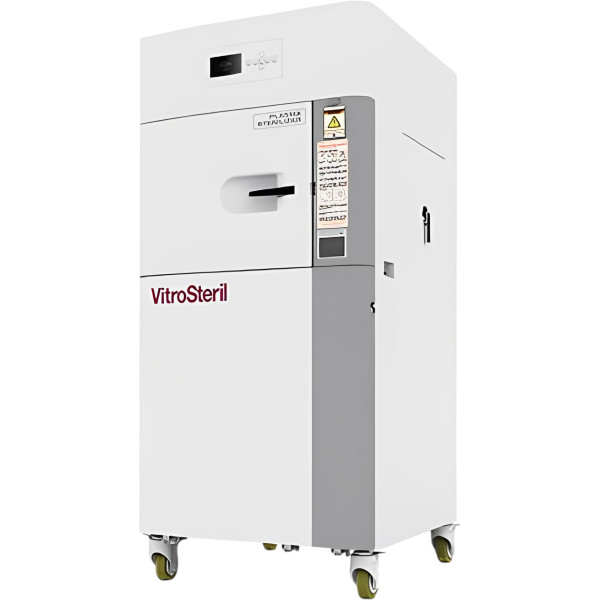 VitroSterilSterilizer VitroSteril© HPS 80Sterilizer VitroSteril© HPS 80Request priceView details

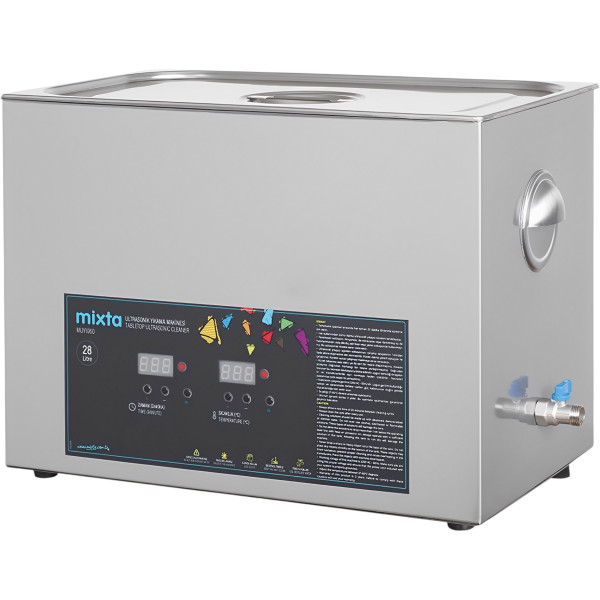
 MixtaWashing disinfecting sterilizer for surgical instruments MYCWashing disinfecting sterilizer for surgical instruments MYCRequest priceView details