-

-
-
-
-
-
-
-
-
-
-
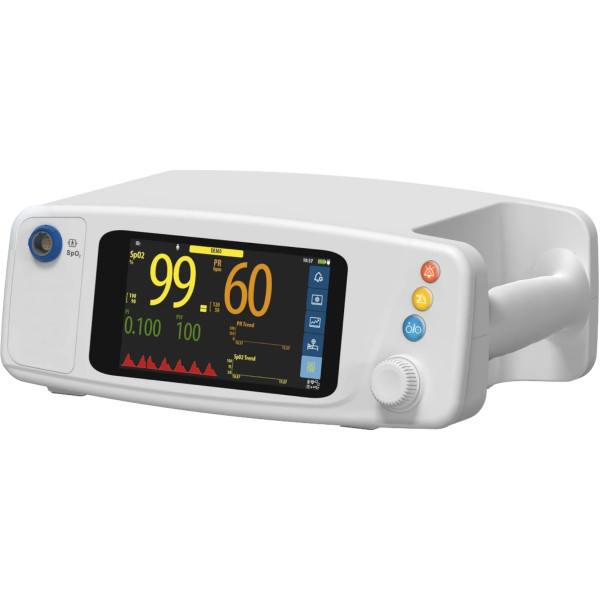 WitleafPatient Monitors – series XH-60DPatient Monitors – series XH-60DRequest priceView details
-
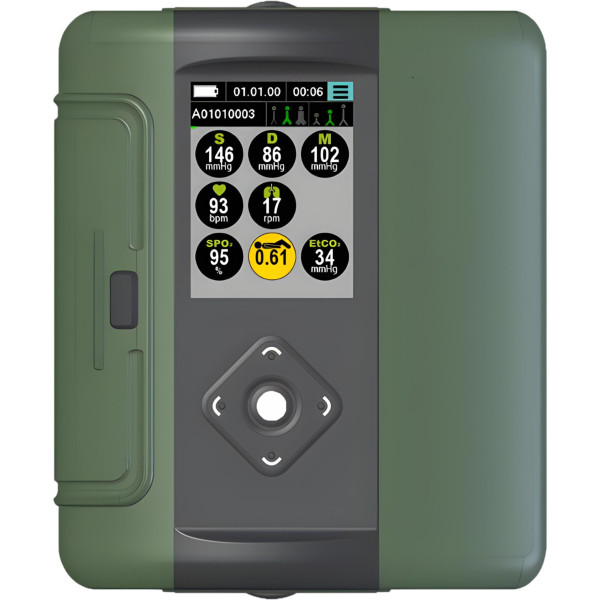 Mennen MedicalPortable patient monitor DTR8Portable patient monitor DTR8Request priceView details
-
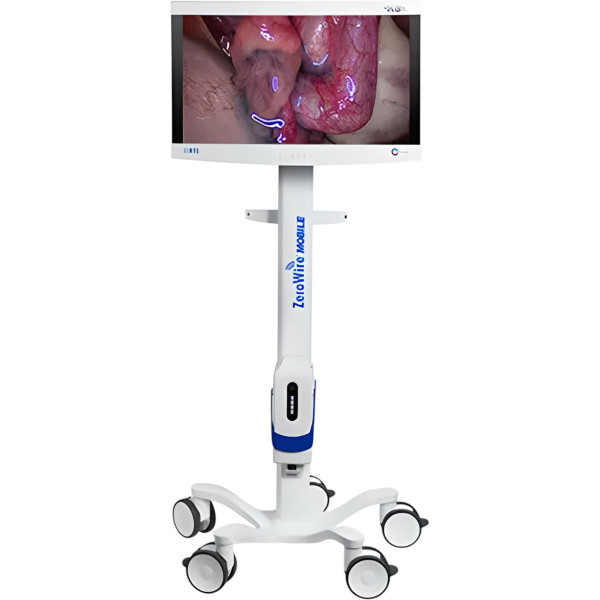
Patient monitors
A patient monitor shows nurses and doctors, without a break, how the person in the bed is doing. It tracks ECG and heart rate, oxygen saturation (SpO2), non-invasive blood pressure (NIBP), temperature plus respiration rate, and some models also measure exhaled CO2. When a reading leaves its set limits, the monitor raises an alarm. The Finer catalog has bedside and portable patient monitors. It also carries transport units and anesthesia models, as well as central stations that bring ward data to the nurses' station.
What is a patient monitor used for?
A monitor takes on the constant watching that a nurse has no spare hands for. It measures without pause and stores trends. As soon as saturation or pressure goes out of range, it calls staff with an alarm. That is why these devices are found in intensive care and the operating room, in recovery rooms and emergency departments, on cardiology wards and in ambulances. When a room has several beds, the individual monitors are networked with a central station. Alarms and trends for the whole ward then show up at the nurses' station. An operating room also needs anesthesia parameters, while an ambulance crew needs a battery and a small housing.
Which patient monitors are in the Finer catalog?
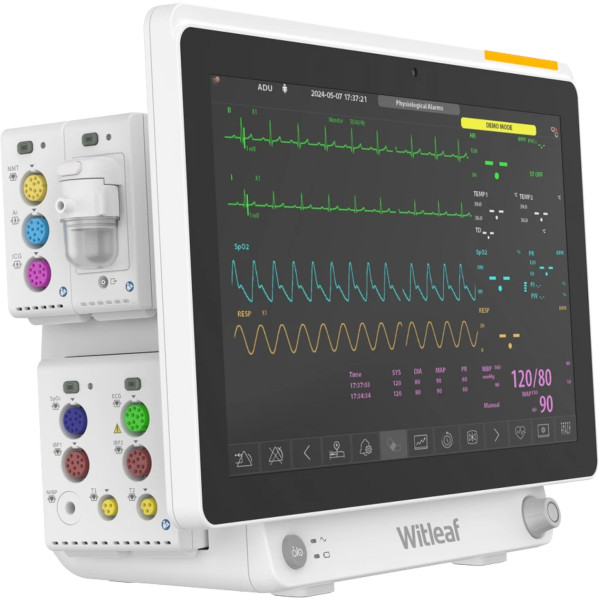
The section covers Witleaf, General Meditech, Fukuda Denshi plus Progetti, with Witleaf supplying the most models. For wards there are bedside series. The L series has a 10.4 to 15″ screen and runs on battery for more than 4 hours, the E series has 10.1 to 15.6″ screens, and the W series uses 12.1 to 15.6″ touchscreens. L10 and E12 also come in a version with a capnography module. Japan's Fukuda Denshi is represented by the DS-8007, DS-8100, DS-8200, DS-8400 and DS-8500 System bedside units, while the Italian maker Progetti offers PG RIA 3, PG RIA 5, PG RIA 9 or PGS 50.
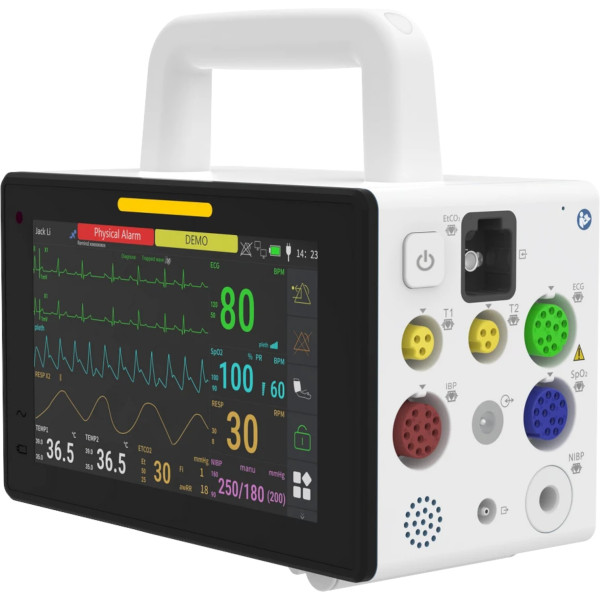
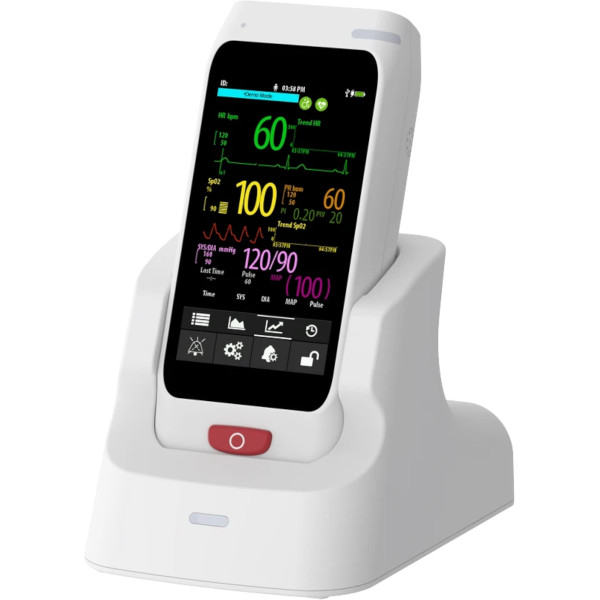
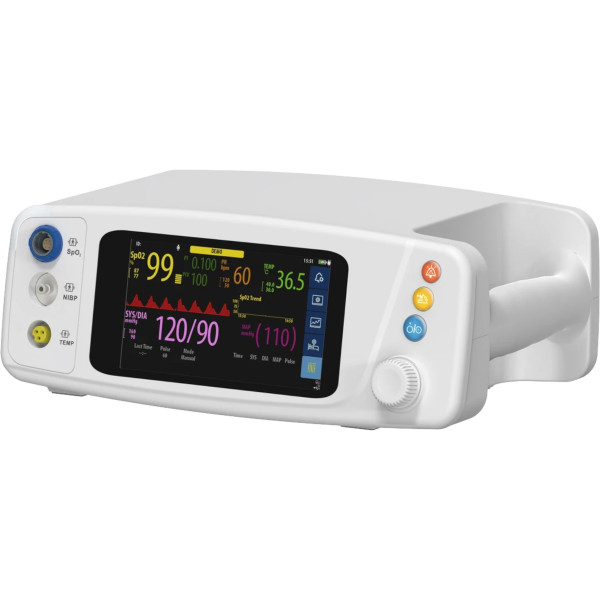
The F series is built for emergency care, with 13.3 to 18.5″ screens, and F1 works both as a transport and a bedside monitor with 12-channel ECG. There is also the portable DTR8, along with compact 5″ models: XH-30 measures EtCO2 with SpO2, XH-60 measures SpO2 with heart rate, and XH-60D keeps a 72-hour archive. Ward data is gathered by central stations. The central station covers up to 64 beds and keeps 72 hours of data. Station 2800 by General Meditech connects 8 to 32 monitors over cable or wireless, and Fukuda Denshi systems have DS-1700 or DS-8900.
Which monitor does an operating room need?
In the operating room, the basic ECG, SpO2, NIBP plus temperature set is usually extended with invasive pressure and capnography, plus depth-of-anesthesia monitoring. Capnography shows the carbon dioxide content of exhaled air and is used during general anesthesia or sedation, as well as for ventilated patients. For these tasks the catalog has G9 monitors by General Meditech. The G9N clinical multiparameter patient monitor tracks depth of anesthesia, G9L calculates four depth-of-anesthesia indices, and the G9D anesthesia monitor shows the CSI, EMG, BS plus SQI indices. G3L is specified as resistant to electrosurgical interference. G3N fits 8 waveforms on a 12.1″ display, G3S has an 8.4″ display with a lithium-ion battery, and G2A has large LED indicators.
How to choose a patient monitor?
Start with the patients and with what doctors want to see on the screen. ECG, SpO2, NIBP plus temperature cover most wards, and the rest is added for the specific department. A patient monitor with a CO2 sensor comes in two types. In mainstream capnography the sensor sits right on the breathing circuit, in sidestream the device draws a gas sample through a thin line. Several of our models use mainstream capnography. A fixed monitor has a set range of parameters and costs less, while a modular one takes extra measurement blocks when the department needs them. Adults need different cuffs and SpO2 sensors than children or newborns, and some models in the catalog are marked for adults and newborns.
A 15″ screen or larger can be read from the ward door, while a 5″ model is handy during transport and short procedures. Transport needs a battery, and the listings include models that run up to 4 hours or longer. If you have several monitors, decide early whether there will be a central station, and take bedside units and the station from one system. Budget for consumable accessories too: ECG cables and SpO2 sensors, cuffs in different sizes as well as capnography lines are bought throughout the service life. Several models already ship with a 5-lead ECG cable, an SpO2 sensor with an extension, an NIBP hose and cuff, plus two temperature probes.
Where to buy a patient monitor?
Finer has worked since 2015: Finer Ukraine LLC supplies hospitals and clinics with medical equipment from leading global manufacturers. For ward monitoring our team of doctors and engineers builds the configuration together with the station and a stock of accessories, puts together a quote and tender file. It then installs and commissions the whole system and teaches nurses and doctors to use it. For spot checks there are pulse oximeters, for 12-lead ECG recording electrocardiographs, and for the operating room anesthesia machines. Other devices are in Diagnostic equipment, and turnkey ward fit-outs are described under turnkey solutions. Phone 0 800 334 585, or use the form on the contacts page.
FAQ
1. What is a patient monitor?
A medical device for continuous observation of vital signs. It receives signals from sensors on the patient and shows waveforms with numbers on the screen. It also stores trends and raises an alarm when a value leaves its limits. Monitors come as bedside or transport units, portable devices or dedicated anesthesia models.
2. What does a patient monitor show?
The basic set is ECG with heart rate, SpO2 saturation, non-invasive pressure, temperature plus respiration rate. Intensive care and the operating room add invasive pressure and capnography (EtCO2), and anesthesia adds depth-of-anesthesia indices, as in the G9 monitors by General Meditech.
3. Can a patient monitor be used for newborns?
Yes, if neonatal cuffs and SpO2 sensors are available for it. Some models in the catalog are marked for adults and newborns. For a neonatal intensive care unit, discuss the accessory set before the commercial proposal: cuff and sensor sizes are different.
4. How is a portable patient monitor different from a bedside one?
A portable monitor is lighter, runs on a battery and has a smaller screen, so it is used during transport and short procedures: the 5″ XH-30 and XH-60 series or the portable DTR8. A bedside monitor stays by the bed, has a larger screen and is more often linked to a central station. F1 combines both roles.
5. How much does a patient monitor cost?
The price depends on parameters and modules such as capnography or depth of anesthesia, on screen size and the number of monitors in the system, on whether you need a station, and on the accessory stock. Some models show a price on the site, for the rest we prepare a quote. To buy a patient monitor without extras, tell us the department, the number of beds and the parameters you need to see.
Categories by purpose
Useful articles
All articles



- Solutions
- Finer Ukraine