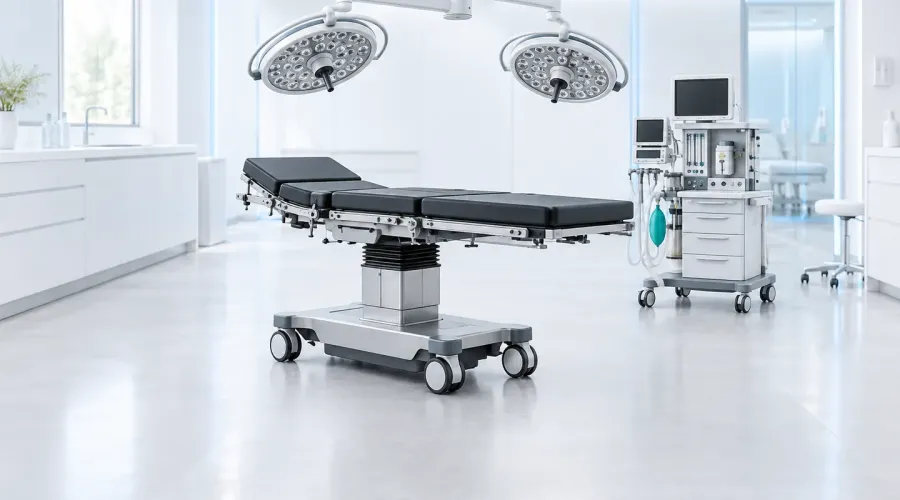
Rehabilitation equipment helps a patient walk again after a stroke, injury or surgery, keep their balance or use a hand. This section of the Finer catalog has biofeedback systems and a robotic exoskeleton, as well as mechanotherapy trainers, medical ergometers, treadmills plus stabilometric platforms. Brands include MediTouch, CardioMed, Vertigo or Salter. The section is meant for hospital rehabilitation units, recovery centres as well as private clinics.
What is rehabilitation equipment for?
A physical therapist can judge movement by eye, but a device gives numbers: joint range of motion, weight distribution between the legs, distance walked, heart rate under load. These data show whether each session brings progress and help dose the load. The patient also sees the result on screen and is more willing to repeat the exercise. Motorized trainers move a limb while the person cannot yet do it alone, and platforms or treadmills teach balance and walking with handrails or a body-weight support system.
Which medical rehabilitation equipment is in the Finer catalog?
The Tutor series by MediTouch works on biofeedback. The LegTutor system is a wearable brace for the hip and knee, the HandTutor glove trains the hand and fine motor skills, ArmTutor covers the elbow and shoulder, and 3DTutor works with the head, trunk or limbs. Sensors record the movement, and the patient sees it on screen. For robotics and mechanotherapy there is the AIDER robotic exoskeleton for restoring limb function, the I-MOTION Plus active-passive trainer for arms and legs, Double APT for working the upper and lower limbs at once, plus the Indigo exercise frame.
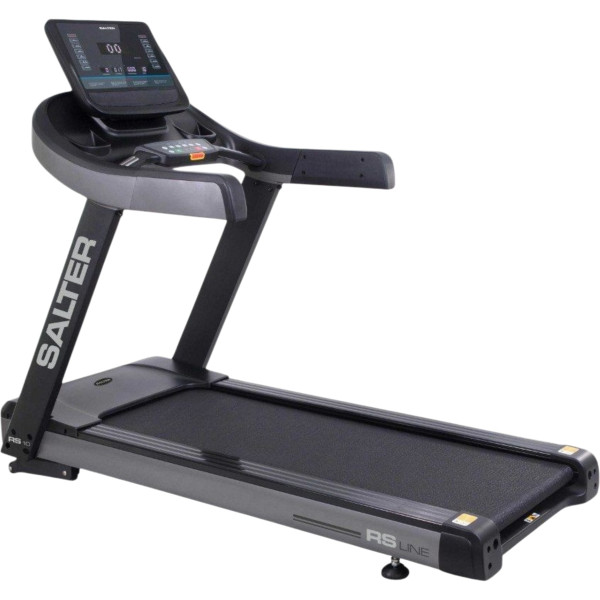
The Eurobike 3200 medical cycle ergometer suits stress tests and rehabilitation. On the Eurosedeo ergometer patients work with their arms without leaving a wheelchair, while Eurocomfort loads both arms and legs. The CMT 2058 Reha and CMT 3078 treadmills are built for diagnostics and rehabilitation, and RS-10 has an adjustable incline. For balance there are GEAMASTER+ stabilometric platforms for assessing and restoring balance, the static-dynamic GEAPRO plus GEASUPER on four load cells.
How do you put together a set for a rehabilitation unit?
Start with the patient profile. Cardiac rehabilitation needs ergometers and treadmills with dosed load, while orthopaedic patients after injuries or joint surgery need work on the knee, hip or hand. Then think in stages. Patients who cannot stand yet start with mechanotherapy and an arm ergometer, and once they are on their feet a platform and treadmill are added. Ask whether the device stores session results and whether a report can be exported to the medical record. For safety, handrails matter, as do an emergency stop, the treadmill's minimum speed and a body-weight support system if the patient walks with assistance. Finally, measure the room: hall area, flooring for the treadmill, the number of sockets and space for a computer.
What does the price of rehabilitation equipment depend on?
We give prices for this section in a quote. The cost depends on the configuration and software, the number of sensors or modules, and accessories. Tell us who you will rehabilitate and at what stage, how many patients a day and how large the hall is, and we will suggest the set your facility really needs.
Where to buy rehabilitation equipment?
The doctors and engineers of Finer Ukraine LLC, which has worked with medical facilities since 2015, help equip rehabilitation units. To help you buy rehabilitation equipment without unnecessary items, we put the set together with you around the hall area and patient flow. We prepare the quote with tender documents, then deliver, install and start up the devices before training the physical therapists. Stress tests on an ergometer or treadmill also need electrocardiographs or patient monitors, which are in the Diagnostic equipment section, and couches or other furniture are in Medical Furniture. Opening a rehabilitation unit from scratch? See our turnkey solutions or call 0 800 334 585, and there is a form on the contact page.
FAQ
1. What is mechanotherapy?
Restoring movement with devices that move the patient's limb or dose the patient's own effort. In passive mode a motor works the joint while the person cannot move alone yet, and in active mode the patient works against resistance. This is how I-MOTION Plus and Double APT work.
2. What is stabilometry?
A method of assessing balance: the patient stands on a platform with load cells while software records how the centre of pressure shifts. The result helps measure balance problems and track recovery. The catalog has GEAMASTER+, GEAPRO or GEASUPER stabilometric platforms.
3. How does a medical cycle ergometer differ from an exercise bike?
An ergometer sets and measures the load in watts and holds it precisely, so it is used for stress tests with ECG and for dosed cardiac rehabilitation. An ordinary exercise bike does not give that accuracy. Eurobike 3200 is designed specifically for stress tests and rehabilitation.
4. What is biofeedback in rehabilitation?
Sensors record the patient's movement or muscle activity and show it on screen in real time, often as a game. The person sees what they are doing right and corrects the movement. The Tutor series by MediTouch works this way, with LegTutor, HandTutor, ArmTutor plus 3DTutor.
5. Which rehabilitation equipment is needed after a stroke?
Neurological patients more often need biofeedback and robotics, plus a balance platform. At an early stage mechanotherapy and an arm ergometer help, and later a stabilometric platform is added together with a treadmill with handrails or body-weight support. The rehabilitation physician defines the set for the patients' condition.
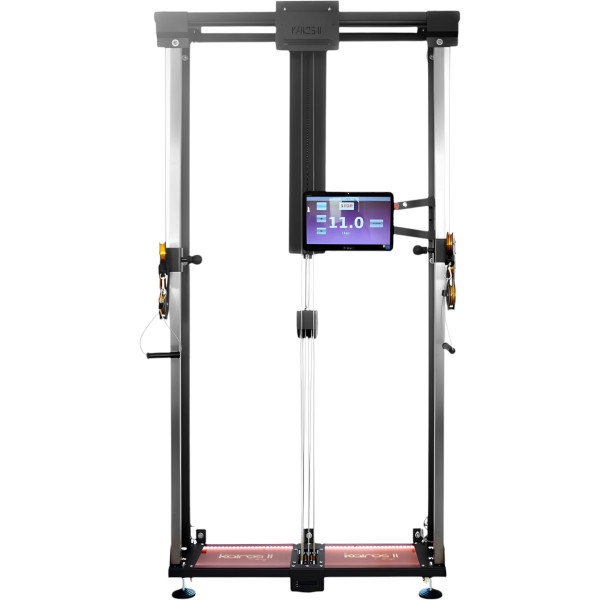 VertigoComputerized traction trainer with feedbackMultifunctional computerized traction trainer Kairos IIRequest priceNewView details
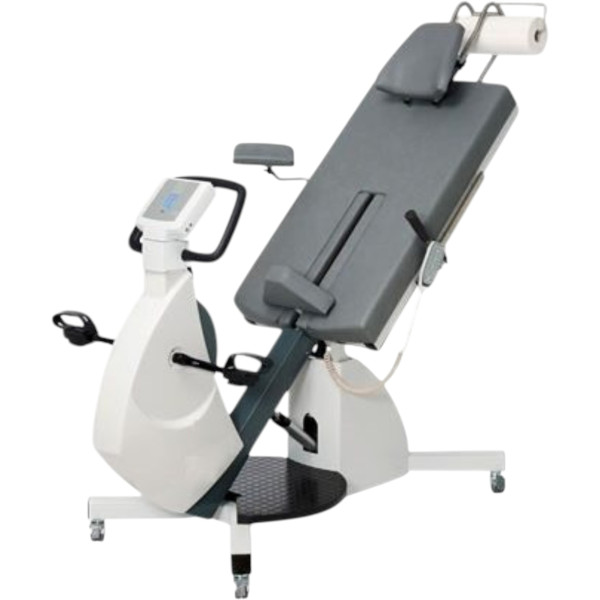 Ergometer with recumbent position and adjustable backrestRecumbent ergometer bicycle Eurocardio 3500Request priceNewView details
 TzoraRehabilitation device for upper and lower limbs Double APTRehabilitation device for upper and lower limbs Double APTRequest priceView details
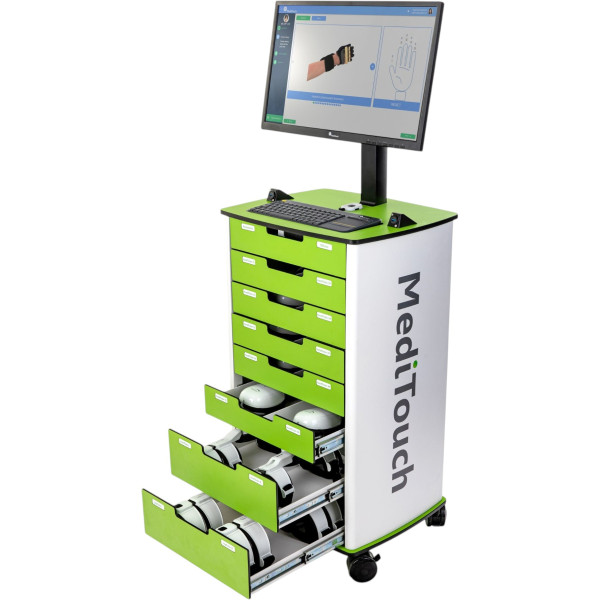 MediTouchRehabilitation System with Biofeedback MediTouchRehabilitation System with Biofeedback MediTouchRequest priceView details
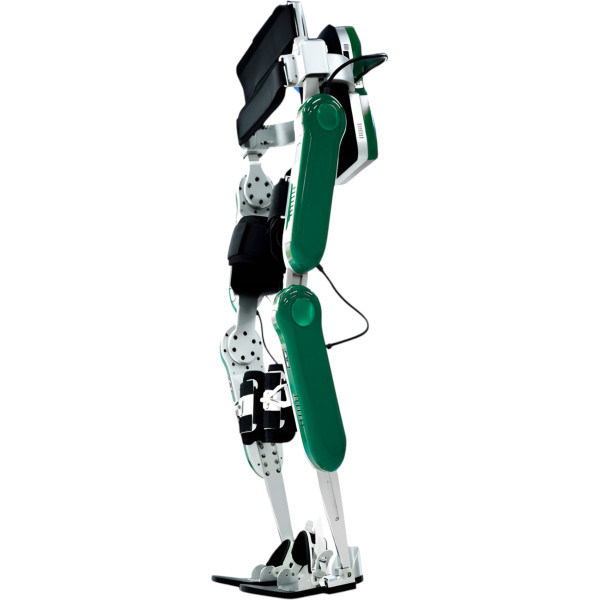
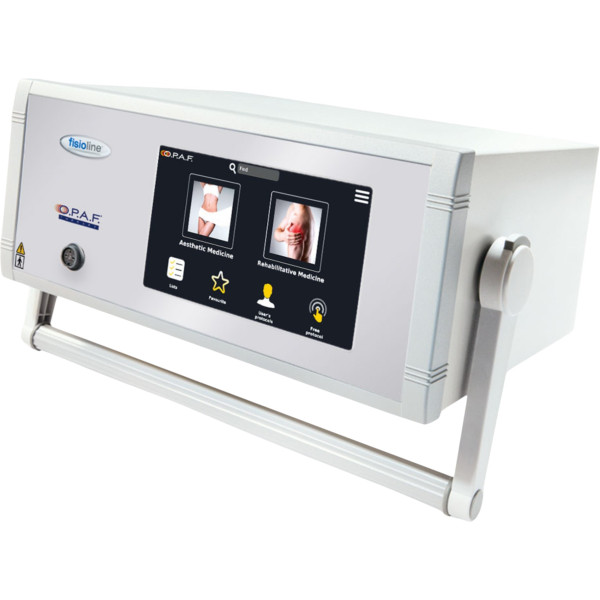 FisiolineShockwave Therapy Device with Modulated FrequenciesShockwave Therapy Device O.P.A.F.® THERAPYRequest priceNewView details
 ElektaSource delivery system for contact radiation therapy FlexitronSource delivery system for contact radiation therapy FlexitronRequest priceView details
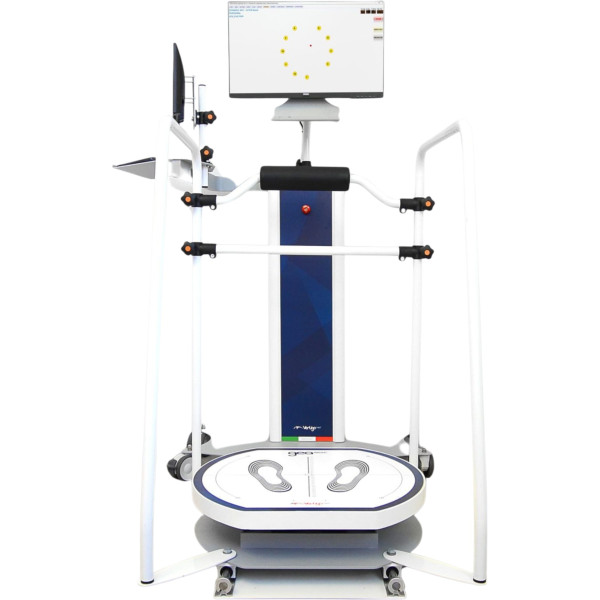 VertigoStabilometric platform GEAMASTER+Stabilometric platform GEAMASTER+Request priceView details


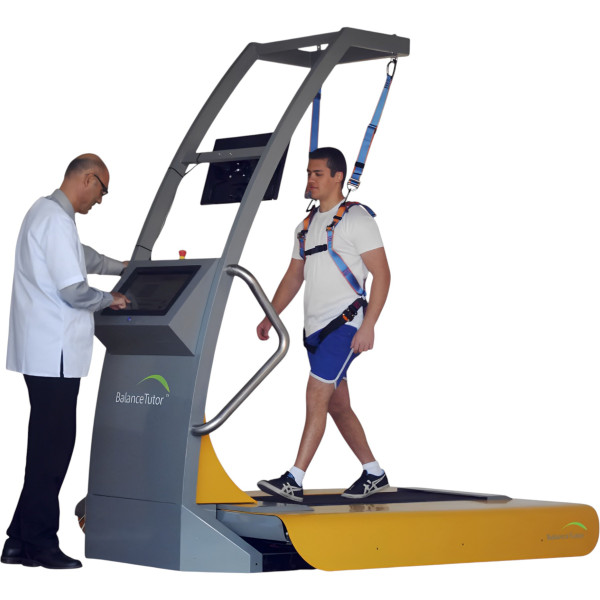 MediTouchTreadmill with platform for balance trainingTreadmill with anchoring system BalanceTutor™Request priceNewView details
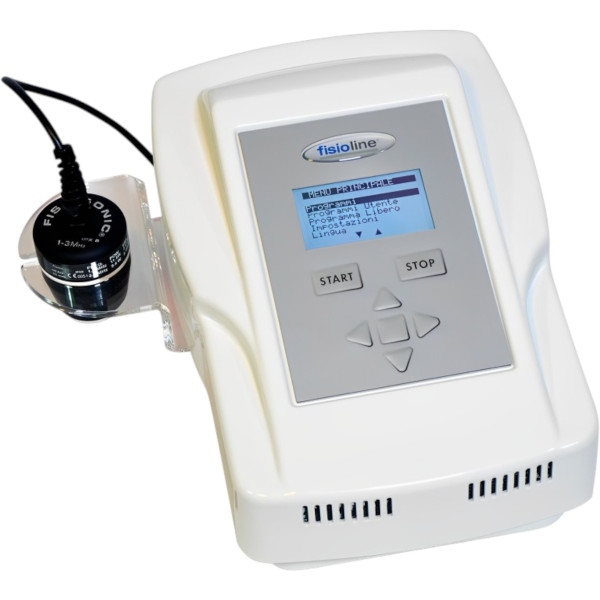 FisiolineUltrasound therapy device with mode and area selectionUltrasound therapy device FisiosonicRequest priceNewView details