-
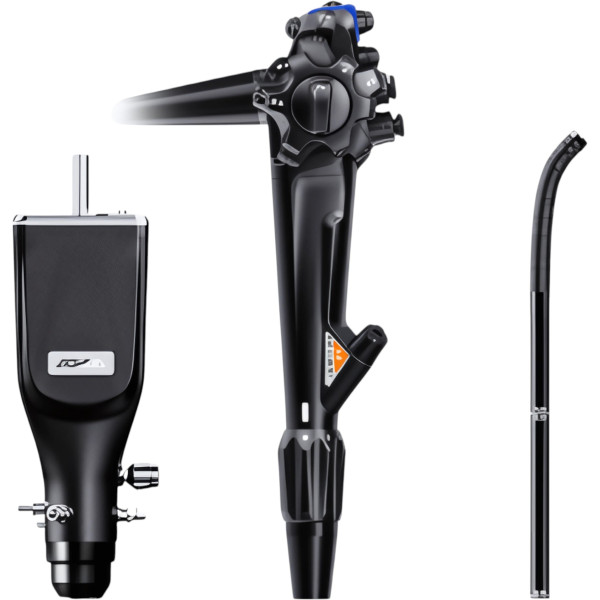 AohuaVideo gastroscope UHD with optical magnificationVideo gastroscope series UHD with optical magnificationRequest priceNewView details
-
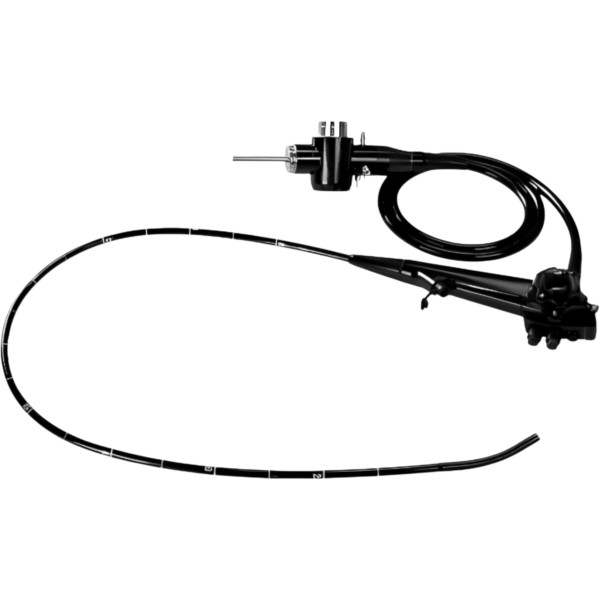 AohuaVideo Gastroscope with CCD sensor and output via DVIVideo Gastroscope VME-98Request priceNewView details
-
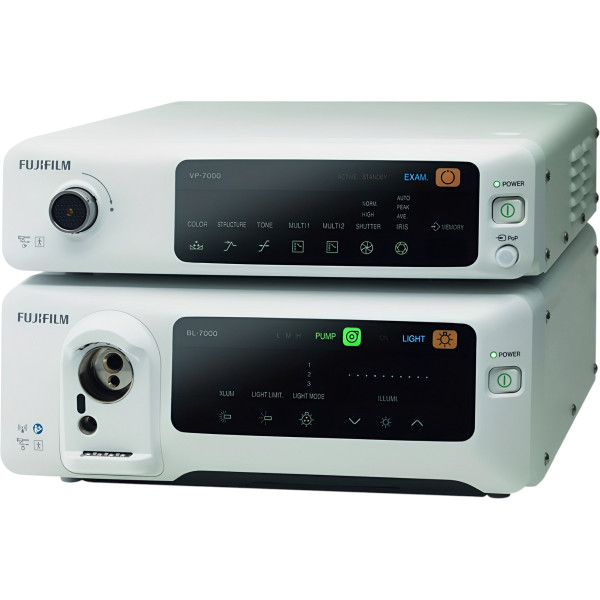 FUJIFILMVideo processor for endoscopy with 4 LED Multi-Light technologyVideo processor Fujifilm EP-7000Request priceNewView details
Endoscopic equipment
A video endoscope gives the doctor a view of the esophagus, stomach or bowel without an incision, while a rigid endoscope shows the abdominal or uterine cavity through a puncture. The Finer Endoscopic equipment section is built around these two areas, flexible video endoscopy on one side and laparoscopy with hysteroscopy on the other. Manufacturers include Aohua and WISAP as well as Erbe and Hisense, and there is also the FUJIFILM ELUXEO platform.
Why does a facility need endoscopic equipment?
Procedures such as gastroscopy and colonoscopy, laparoscopic surgery or hysteroscopy let the doctor see an organ from inside and take a biopsy or perform a procedure at the same time. A single device rarely works alone here. For a procedure to happen, it is assembled into a set. An endoscopy tower brings together the processor or camera, the light source and monitor, and an insufflator or pump, and each part has to work with the rest. That is why endoscopic equipment is usually bought as a system for the specific procedures of a room or operating theater: how many a day, which organs, whether surgery is involved.
Which video endoscopy systems are in the Finer catalog?
For gastroscopy and colonoscopy there are Aohua systems: the AQ-100 with a fiberscope and built-in CCD, the AQ-200 FHD, the AQ-300 4K endoscopy system and the AC-1 portable video processor weighing 8.5 kg with a touch display. The VME-2300 HD has an HD image sensor, and the VME-2800 HD is positioned as an expert-class system with CBI mode. Separately listed are the ELUXEO® endoscopic imaging system and the VIRON system with 4K imaging. The AQ-120 video endoscopy system with FHD 1080p resolution and the 4K AQ-150 Pro sit in the Video endoscopy subsection.
What is available for laparoscopy and hysteroscopy?
For surgery and gynecology there are HD laparoscopes, the 7605/10/20 laparoscope with a large depth of focus. There are also HD hysteroscopes and the EMS hysteroscope with a 2 to 4 mm diameter and viewing angles of 0 to 70°. They are paired with the Heatflow insufflator and the Aqua-Purator laparoscopic pump, the Hystero-Purator pump and the SafeCut morcellation system, plus a bipolar resectoscopy set and PRO-LINE instruments. For vessel sealing during laparoscopy there are the BiClamp LAP and BiClamp E LAP bipolar instruments. They work with an electrosurgical generator, which you will find in the Electrosurgery section.
How do you put together an endoscopy tower?
The first rule is compatibility. The camera and light source have to work with the processor and the scopes themselves, and a video endoscope from one manufacturer does not always connect to another's processor. The second concerns the image: HD, Full HD or 4K, the number of camera sensors (1CMOS, 3CMOS) and a monitor that shows that resolution. For cancer detection, advanced imaging modes matter. The third is procedure volume. How many scopes do you need per shift so reprocessing keeps up? For storage with drying there is the MKED 6500 cabinet for 7 to 11 endoscopes. Last comes the place of work, a fixed tower in the endoscopy room or a portable system for call-outs or intensive care.
EndoView cameras and Hisense monitors are collected in the Components for endoscopic equipment section, along with light sources, insufflators or pumps for building out a tower. This way a room can upgrade a camera or monitor without replacing the whole system.
Where to buy a video endoscope?
Finer Ukraine LLC has worked with hospitals and private clinics since 2015 and supplies video endoscopes and laparoscopy towers together with their components. Some items show a price on the website; the rest we calculate in a commercial proposal. A tower's price depends on resolution and on the number and type of scopes. The instrument set and the camera add to it, so tell us which procedures you plan and how many a day. Finer's doctors and engineers will bring the set together into one compatible system and draw up the proposal and tender file. They bring in and assemble the tower, start it up and run training for doctors and nurses. How to equip an entire endoscopy room or operating theater is explained on the turnkey solutions page. To discuss a set, call 0 800 334 585 or leave a written request via contacts.
FAQ
1. What is video endoscopy?
It is an examination of hollow organs with a flexible endoscope that has a video camera at the tip. The image goes to a processor and monitor, so the whole team sees it, and a frame or video can be saved. During video endoscopy the doctor can also take a biopsy or perform minor procedures through the working channel.
2. What is an endoscopy tower and what does it consist of?
It is a cart that holds everything needed for a procedure: a video processor or camera head, a light source and a medical monitor, with an insufflator and pump added for laparoscopy. Endoscopes and instruments connect to the tower. All components must be compatible with each other.
3. How does a video endoscope work?
Light from the source travels through a light guide to the tip of the scope and illuminates the organ. A miniature CCD or CMOS sensor at the tip captures the image and sends it to the processor, which displays it on the monitor. In a fiberscope the image travels through optical fibers; the AQ-100 adds a built-in CCD to it.
4. Which endoscope should a room choose?
Start from the procedures. Gastroscopy and colonoscopy need flexible video endoscopes with a processor. Laparoscopy and hysteroscopy need rigid optics with a camera. Then choose the resolution (HD, Full HD, 4K) and check whether the scope connects to the processor you already have.
5. How are endoscopes reprocessed and stored?
After every patient a flexible endoscope goes through pre-cleaning and a leak test, then manual cleaning and high-level disinfection; rigid instruments are sterilized. The scope is then dried and stored in a cabinet such as the MKED 6500 for 7 to 11 endoscopes, where it stays dry.
Categories by purpose
Recently viewed

- Solutions
- Finer Ukraine